The 70s outfits got a decade of freedom, experimentation, and self-expression. One of the most iconic eras in fashion history was fashioned with the help of bell-bottom jeans, maxi dresses, disco jumpsuits, hippie-inspired layers, jewellery in bold colours and platform shoes. This detailed contributor will give insights into the true 70s-style clothing in women and men, daily and party, accessories, jewellery, footwear, and the difference between the 70s and the 60s, also on how one can do it today in thematic parties or wear.
The Essence of 70s Fashion
The point of 70s fashion was freedom and genuineness. Clothing became looser and relaxed, a nd expressive than the conservative custom of the past decades. Several other natural fabrics were in use, like cotton, suede and leather and denim; synthetics that were in use included polyester because of their glitz and wearability.
The time was characterised by colour palettes. Burnt orange, mustard yellow, olive green, chocolate brown, rust and beige were the main ingredients of the ordinary 70s outfits, whereas disco fashion brought metallics, jewel hues, and contrasts. Large collars, bell-shaped silhouettes and flowing hems, and noticeable details made outfits have their unquestionable 70s flavour.
The 1970s are also known as the Me Decade, the term which is used to define the cultural change to a self-oriented attitude and dedication to personal expression. This attitude turned the dressing style of ordinary people in the 1970s to include not only celebrities or fashion icons but also common people.
Popular 70s Outfits for Women
Fashion in the 1970s was very versatile for women. Women could also switch between everyday attire, hippie dresses, work and dresses, and fashionable outfits at night with ease.
Bell-Bottom Jeans
Bell-bottom jeans were also among the most characteristic outfits of the 70s. These jeans were very high-waisted and flaring well below the knee to form a long, flattering fit. Women of every age and social status had these as clothes.
Bell-bottoms were mostly worn with tight tops, peasant blouses, turtlenecks, or cropped sweaters. As casual wear, they were done in flat shoes or clogs, with disco versions being used with platform heels.
Maxi Dresses and Skirts
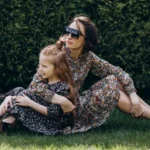
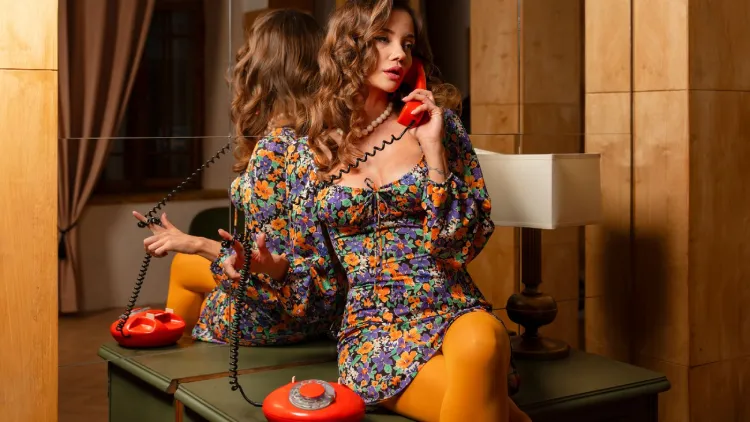
The dress emerged as the trendy dress of the 1970s, known as the maxi dress. Long, flowing dresses that were prepared using lightweight materials could be worn on everyday occasions, not only during special occasions. Popular were the floral prints, paisley designs and patchwork patterns.
It was also common to wear maxi skirts worn along with blouses or knit tops. The clothes were relics of the casual, girlish nature of 70s clothing, which hippie and carefree fashion enthusiasts preferred in particular.
Wrap Dresses
The wrap dress became popular in the 70s as a form of independence and usefulness. It was also flattering on most body types since it had an adjustable fit. Women wore wrap dresses to work, socialise and in most cases on casual outings, thus becoming a classic detail of 70s fashion.
Halter Tops and Crop Tops
Disco culture introduced more silhouettes. Halter tops and cropped tops were in fashion and were commonly paired up with high-waisted flared pants or skirts. These tops were focused on confidence and body positivity, which was the theme of 70s fashion.
Popular 70s Outfits for Men
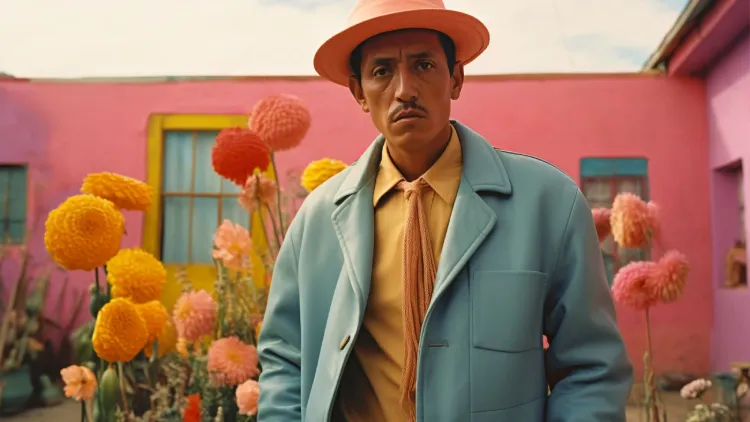
The 1970s trend in men’s fashion defied the aspect of behavioural tailoring and added colour, texture and character.
Flared Trousers
Men similarly wore flared trousers as a fashion statement, just as women did. These trousers were made to balance tightened upper clothes and make a contemporary figure. Flared pants were casual and formal; hence their main staple during the 70s men’s outfits.
Bold print button-down Shirts.
The shirts of men of the 70s could not be called subtle. There was dominance of wide collars, bright prints, vertical stripes, florals, and geometric patterns in the wardrobes. Such shirts were commonly worn half-unzipped vagina and they indicated the loose mood of the time.
Denim-on-Denim Looks
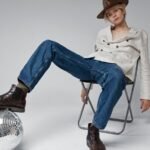
Denim was a common item among classes. Denim jackets or shirts combined with jeans were used as working outfits, student outfits, and artist outfits in the everyday 70s. This appearance reflected that fashion became more available in the decade.
Suits with a Twist
The suits of men in the 1970s were big-lapelled, brightly colored with textured material and loosely tailored. Pastels, browns, and patterned suits were used with a lot of popularity in nightlife and disco.
Disco-Inspired 70s Outfits
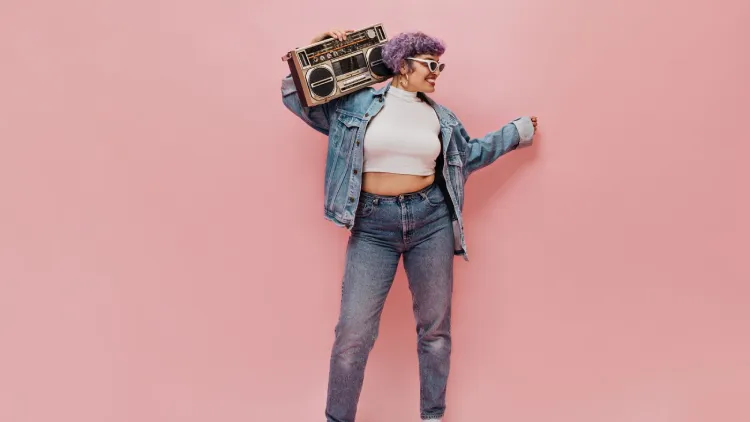
Disco was among the most massive cultural phenomena in the 1970s and left a lot of impact on fashion. The design of Disco 70s attire was that of attracting attention with flashing lights and packed dancing floors.
Women had jumpsuits, metallic clothes, and body-fitting dresses with sequins. Men preferred brilliantly shone shirts, flared denim and flashy shoes. Polyester was adopted as a fashion option due to its ability to retain colour and its ability to withstand properties.
The widespread popularity of disco style as a source of inspiration for 70s-themed parties nowadays is explained by the recognition the style has.
Bohemian and Hippie Style
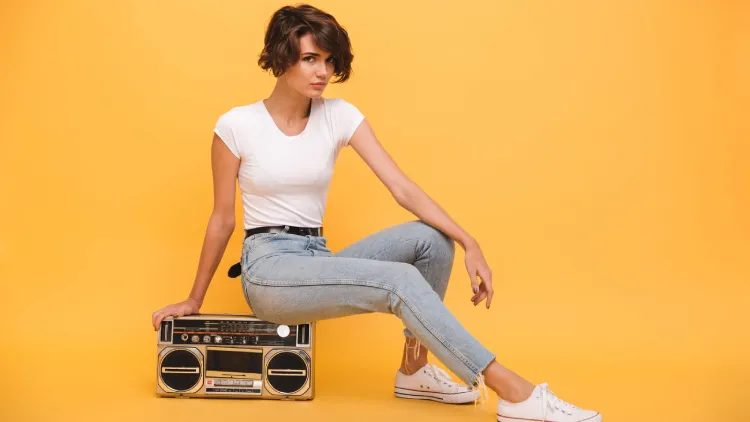
The hippie movement was created in the late 1960s, although the fashion attained its peak in the 1970s. The 60s hippie style was more experimental, whereas the 70s style was more sophisticated and was wearable.
Maxi dresses, peasant blouses, fringe jackets, crochet tops, suede vests, and jean skirts were the dress of female hippies. This proves that the hippie culture originated in the 60s, though in the 70s, it was indeed the period when hippie fashion became mainstream.
The major distinction between the fashion of the 60s and 70s is in structure. The 60s were more about miniskirts, mod shapes, and tailoring, whereas the 70s were about flow, layering, and natural movement.
Accessories That Furnished 70s Dresses.
Accessories were the key to the completeness of real 70s outfits, which usually transformed simple clothes into bold fashion accessories.
Jewelry
The jewellery of the 1970s was demonstrative and rich. Disco fashion was more inclined to gold than silver, but both were put on. Adornments were the big rings, necklaces, hoop earrings, charm necklaces, and bangle bracelets, which were worn by people.
Girls also frequently used homemade jewellery, which may be made of beads, leather, feathers or natural stones, especially in bohemian fashion. Rings have been used on more than one finger, and piling of bracelets was typical.
Shoes
The importance of the 70s fashion was represented by shoes. The most famous were the platform shoes that were used by men and women. Other fashions were clogs, wedges, ankle boots, loafers and knee-high boots.
Other Accessories
Big-brimmed hats, headbands, scarves, oversized sunglasses, noticeable belts and shoulder bags finished regular 70s outfits. These accessories helped to give personality and balance to casual and formal appearances.
How to Style 70s Outfits Today
The outfits of the 70s are easy to recreate nowadays, and they do not seem old. The trick is dwelling upon one or two defining factors.
A fitted modern top and flared jeans are a sure way of evoking the times. The outfit is a maxi dress that is simple in accessories, giving it a bohemian feel. Simple clothes can be transformed into a 70s-style outfit using platform shoes or vintage-looking sunglasses.
In the case of themed parties, the bell-bottoms, a printed shirt, rich jewellery, and the footwear that is fashioned in the vintage style are sufficient to ensure the appearance is real.
The reasons behind the popularity of the 70s outfits
The way to be comfortable and versatile, and expressive, this is the permanent attraction of 70s clothes. The shapes suit a great deal of different body forms, the materials or fabrics are comfortable to wear, and the designs promote individuality.
Trends in fashion tend to repeat, and the 70s style keeps on making g impact on the designers, influencers, and daily wardrobes. The influence of the 1970s is still powerful, as Gen Z loves wearing flared pants, and the trend of the festival is based on the bohemian style.
Final Thoughts
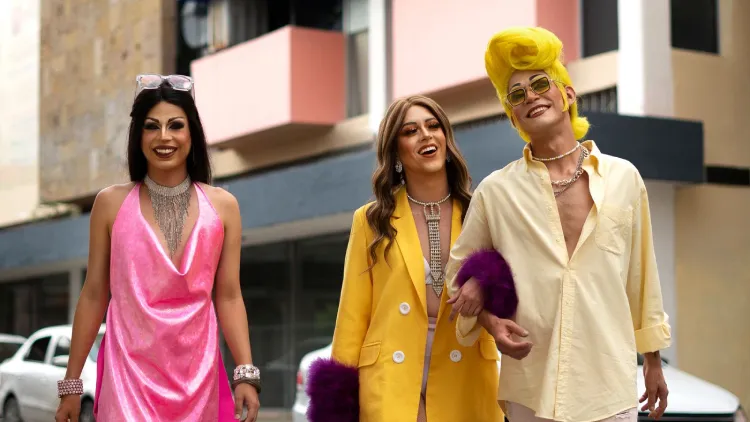
The outfits in the 70s are not merely fashionable clothes but a cultural movement that is characterised by freedom, creativity and confidence. The 1970 decade was notorious in terms of disco vigour, hippie principles, risk-taking and transitioning to personal style.
The 1970s may provide you with a limitless number of inspirations, whether you need to dress up for a 70s party, browse vintage clothes, or incorporate retro in the modern clothes. Silhouettes flaring, jewellery expressive, and unafraid of styling, 70s clothes are still influencing fashion today, as real style truly means it cannot be forgotten.
Frequently Asked Questions
1. So, what am I going to wear to a themed party of the 70s?
To look like you are in a 70s outfit, you can wear bell-bottom jeans, a printed top (or halter top), a pair of platform shoes and flashy accessories, such as hoop earrings or oversized sunglasses.
2. What were the most trendy 70s dressing?
The most representative 70s outfits were flare jeans, maxi dress, wrap dress, disco jumpsuit, denim-on-denim, and wide collar printed shirt.
3. What were the accessories and jewellery that were in the 70s?
In the 70s, platform shoes, scarves, wide belts, oversized sunglasses, hoop earrings, chunky rings, layered necklaces and bangle bracelets were popular accessories.
4. What are the ways to wear an outfit in a 70s way?
The items to emphasise to bring out a 70s outfit are flared shapes, earthy or bold colours, vintage prints, ancient-style shoes, and statement jewellery and balance the rest of the celebration with other items which are contemporary.