
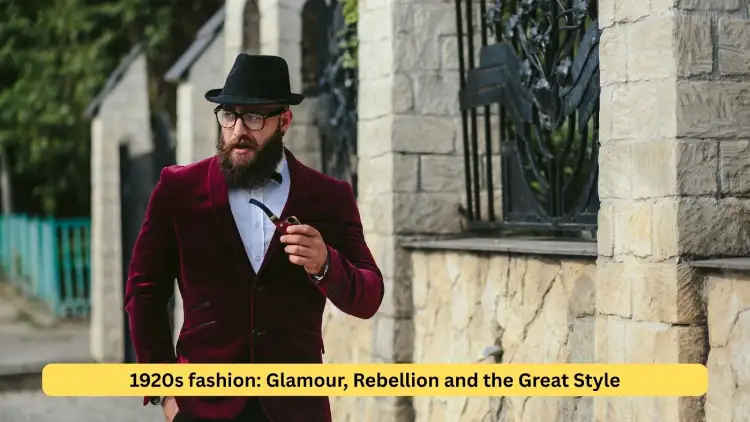
Roaring Twenties fashion, or the fashion of the 1920s, was all about freedom, audacious style, and class. Females started to wear flapper dresses, cloche hats, pearls, and bobbed hair style, whereas men donned tailored suits, fedoras, and pocket watches. The fashion of the decade was in line with the cultural revolution of the time; it was fun, sophisticated, and a rebellious one that continues to inspire fashion today.
The Influence of the 1920s fashion
The 1920s were a socio-cultural revolutionary decade. After the horrific World War I, society was demanding freedom, fun, and an escape from the conservative fashion that had been used in the past decades. It was the time of jazz music, speakeasies, cinema, and youthful zeal that had pervaded the way people dressed and put themselves across.
This change was reflected in the style of fashion in the 1920s. Women stopped conforming to tight corsets and long skirts and wore loosely fitted styles that were easy to move and express. Men also discarded the old heavy, formal suits and adopted less formal, tailored suits, at the same time giving more focus to elegance. The period of the 1920s is also known as the Jazz Age or The Roaring Twenties, in that it was very dynamic, lavish and joyful.
Women’s Fashion in the 1920s
Flapper Dresses and Dresses of the Era.
Flapper dresses were the defining style of women’s fashion in the 1920s. These dresses were characterised by their low waistlines, simple lines and skirts which could extend to just below the knee cut, an extreme contrast to floor-length skirts of the past decades. The fashion was more movement-based and comfortable, which could be used to dance to Latin music at jazz clubs or during social parties. The dresses glittered in evening lights with the addition of sequins, beads and fringe to glamourise them.
Sophistication and luxury led to most of the popular colours of the dresses in the 1920s, including black, gold, silver, and jewel colours. Metallic thread or elaborate embroidery was also used in evening dresses. Pastelcolours’s lightweight materials were popular in day wear, bringing a balance between classiness and functionality.
Accessories and Jewellery
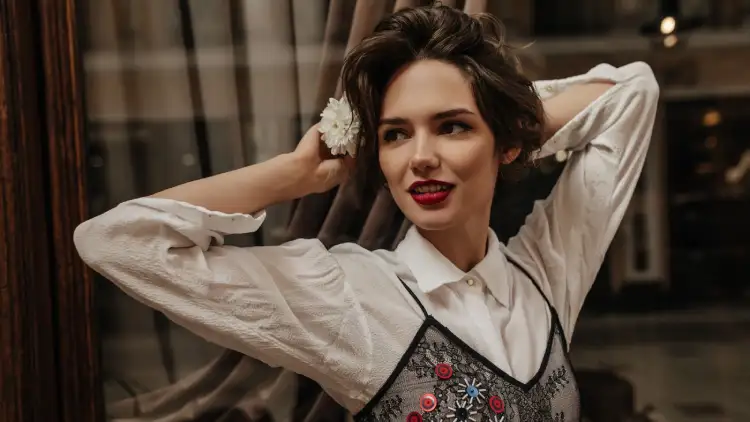
A 1920s appearance was not complete without accessories. The things that had to be there were long strands of pearls, fancy brooches, feather or jewel headbands and hat cloches. Gloves, which might be bwrist-lengthth or elbow-length, provided a little elegance. Jewellery was bold and geometrical driven with new movement in art deco designing, as such, and therefore making it fashionable as well as a statement.
Hairstyles and Makeup
The style of hair in the 1920s suited well with the fashion at the time. The bob cut was also a trademark style with finger waves or curly locks to cover the face. Women also tested themselves with hats, headbands and hair accessories as well to raise their appearance.
Makeup was expressive in the past decades. The dark eyeliner, reddened lips, and smoky eyes with their pale complexions made a dramatic and sophisticated look. Beauty was utilised as the instrument of self-expression, which corresponded to the newly gained independence of women.
The 6 Personas of a 1920s Feminist Flapper
The so-called real flapper of the 1920s was characterised by six things:
- Short, bobbed hair.
- Leisured, sleeveless, dropped waist dresses.
- Drastic make-up, black lipstick.
- Embellishments in the form of beads or fringe.
- Stockings and stylish shoes
- Jewels such as pearls, accessories such as gloves and headbands.
These factors were an amalgamation of freedom, fashion and a sense of rebellion that accepted old-fashioned gender norms and expectations.
Men’s Fashion in the 1920s
Suits and the 1920s Era Style
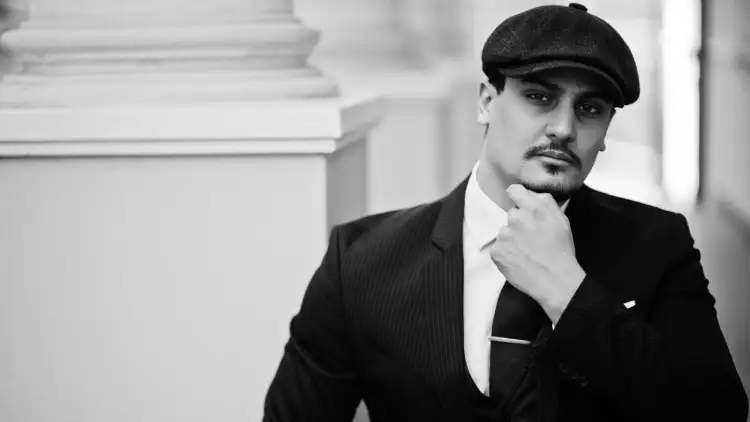
The 1920s men’s fashion was elegant and sophisticated. Standard three-piece suits were usually custom-made, in a subdued colour, such as grey, navy or brown. Pinstripes and wide lapels were used to add the slightest touch, and vests and pocket squares were used to give it the finished look. The 2-finger rule of pants guaranteed a good fit: trousers are two fingers free at the waist, so structure, style.
Fashionable Attires and Fashion Increase
Casual sporting clothes were also made available to men in the 1920s. Leisure and outdoor activities were done in knickerbockers, plus-fours, sweaters and cardigans. These clothes were with great emphasis on comfort, and a sense of luxury was maintained. Fedoras, newsboy caps, pocket watches, and leather gloves were in use as accessories, and added to a fine yet easygoing appearanceColours
Colours, Rules, and Trends
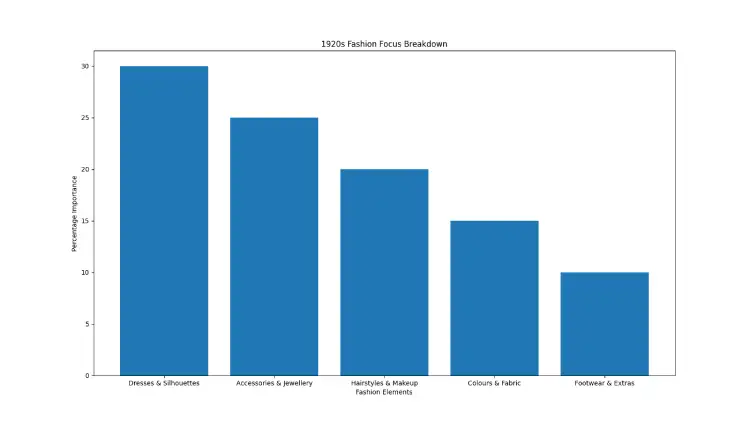
The Roaring Twenties were not a single style but also a style that was characterised by colours and rules that dictated the fashionable wardrobes. The use of black and gold and jewel colours denoted sophistication and opulence, whereas pastels were used during the daytime. Anyone who intends to have a party in 1920s style or visit Gatsby, he Greinhabits the style, it is guaranteed that you will not be flattered by using other colours in your attire.
Several fashion regulations have come about in the period, and many of them are still mentioned in the current times:
- 3-3-3 Rule of Outfits: Use three clothing items, three accessories, and three items of detail to have a balanced outfit.
- 70/30 Wardrobe Rule: Rotate 70 per cent of your wardrobe: That is traditional, punctilious, and easy to wear and 30 per cent bold, spary, garments.
- Three F’s of Fashion: Focus, fit, and flair:–Applying enough structure, but flair to the clothing so it is stylish to the individual.
- 7-Rule of Outfits: Do not wear more than 7 statement pieces in an outfit, as there is a risk of overloading the outfit.
These values served as guides when choosing fashions and also ensured that people retained the elegant, unified style that characterised the decade.
The Jazz Age and Its Impact
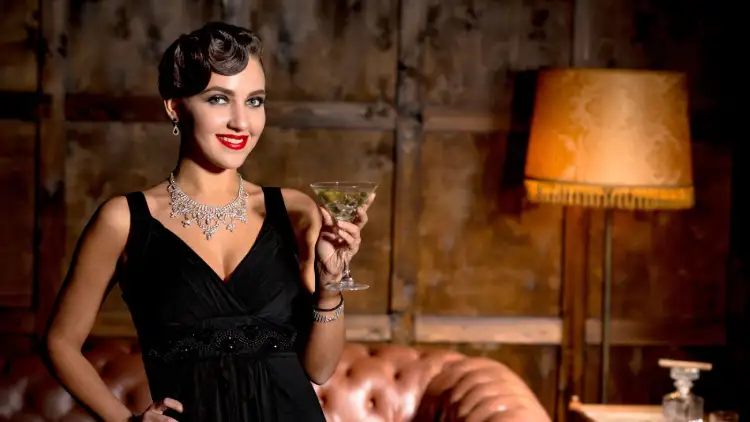
The 1920s era was equated with jazz, and this cultural expression had a tremendous effect on fashion. Dance halls, speakeasies and jazz clubs prompted the fashion of wearing clothes that gave people freedom to move, so hemlines were shorter, and the silhouettes were looser. It was a time of opulence, defiance and liveliness, and this was evident through the daring designs, sequins, and fringe of the flapper dresses. The trend was reflected in the style of men with multipurpose and fashionable leisure clothes that could shift easily between day and night.
Cult Fashion Designers of the 20s
Some designers played a key role in influencing the fashion of the 20s:
- Coco Chanel: Made the style of women a lot more casual and elegant; one of the dimensions was the little black dress, sporty separates, and streamlined outfits.
- Jean Patou: The luxurious evening dress collections, the knitwear, and the adventurous designs that focused on the freedom of movement came to be known.
- Paul Poiret: Louoser fashions and exotic influences remained a source of influence on fashion during the Jazz Age.
These designers did not just create iconic pieces but also assisted in creating the rules of aesthetics and creating the visual identity of the era.
How to Dress for a 1920s Party
To get an authentic 1920s appearance in the present day, the following tips might be considered:
- Women: flapper fringe, sequin, or bead dresses; cloche hats or jewel headbands; long necklaces of pearls; heavy makeup; bobbed and waved hairstyles. Stay away from modern style or too casual clothing that does not blend with the theme.
- Men: Custom suits or vests which are pinstriped, fedora or newsboy caps, pocket watches, and leather footwear. Informal alternatives would be knickerbockers or plus fours and sweaters during leisure times.
- Colours and Theme: Still have to stick to black, gold, silver, jewel colour, or pastels. Metallic or glittering can be used in evening events, whereas light colours are suitable in daytime parties.
In themed events such as the Gatsby events, the dress code of guests must not be contemporary casual and directed towards the elements of luxury and pay attention to the details of this or that period.
1920s Fashion Legacy
The 1920s laid the groundwork for the modern fashion style, where old conventions were defied, and the freedom of expression was adopted. The theme of the decade that dwelled on movement, comfortglamouror, and accessories still makes an impact on designers and other style lovers. The flapper style, art deco, and vintage styles are regularly borrowed in the modern fashion industry, which serves as evidence that the fashion of the 1920s does not have any expiry date.
The decade has also shared the fashion and styles of managing wardrobe, such as layering, integrating accessories and colour-coordinated styles. These values, as well as the iconic products of the time period, have influenced fashion systems and dress codes of the events currently.
Conclusion
The fashion in the 1920s was not merely a costume; it was an attitude. The decade was an age of liberation, sophistication, and the glorification of the flapper dresses, with bold, bordered edges and men in suits and elegant jewellery were the items of the well-dressed parts of the population, rather than the working ones. You may be going to a 20s-themed party, creating modern influences, or learning about the past, but the Roaring Twenties will always be instructive in the areas of creativity, self-expression, and panache.
Knowing the colours, silhouettes, accessories, and hairstyles of the time, one will be able to repeat the glamour and elegance that brought the fashion of the 1920s its iconic status. Its impact is also still strong, which rules out the fact that style created out of freedom and rebellion never actually dates.
Frequently Asked Questions
1. What is proper clothing at a party that has a 1920s theme?
Women are allowed to wear an apron dress with fringe or sequins together with a cloche hat, pearls, and bobbed hair. Tailored suits, vests, fedoras, and pocket watches should be taken in by men. Use traditional colours such as black, gold, silver or pastel.
2. What was the 1920s flapper way of dressing?
Some of the most important aspects are hair, short bobbed, loose dresses with dropped waist, strong make-up, beads or fringes, stockings and definitely accessories, such as headbands or pearls.
3. In what ways did 1920s fashion impact the modern style?
The 1920s ushered in the utilisation of loose lines, big accessories and glamorous design. Flapper-inspired dresses, art deco jewellery, bobbed hair styles, and elegant evening wear concepts are still borrowed by modern fashion.
4. What were the colours and styles of the 1920s?
There was a wide use of black, gold, silver, jewel colours and pastels. Evening wear had sequins, metallic threads, or embroiderywhere geometric jewellery and art deco patterns created the striking appearance.

Seo marketplace 15 Apr 2026
My brother recommended I might like this blog.
He was entirely right. This post truly made my day.
You cann’t imagine simply how much time I had spent for this
info! Thanks!
admin 16 Apr 2026
Thank you so much for your kind words! We’re really glad your brother recommended us and that you found the post helpful. Your support truly means a lot!