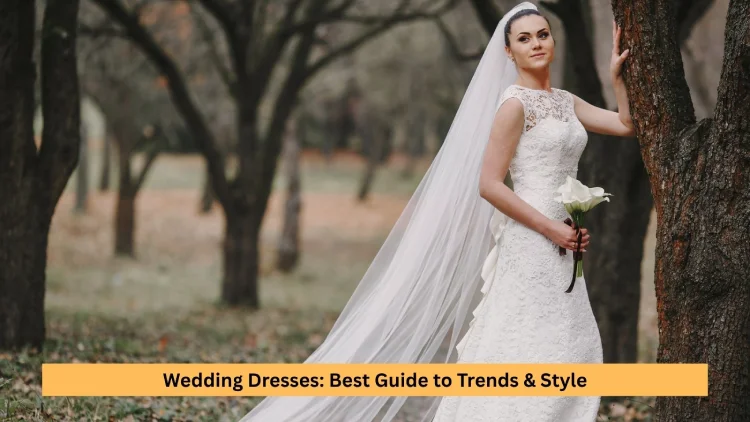
Choosing the perfect wedding dress is one of the most exciting yet challenging parts of planning your big day. With countless styles, fabrics, and trends available, it’s easy to feel overwhelmed. The right dress should reflect your personality, complement your body shape, and match your wedding theme while keeping you comfortable. This guide will help you explore options, understand trends, and make a confident choice. Whether your wedding is grand or simple, you’ll be ready to find a dress that makes you feel truly special.
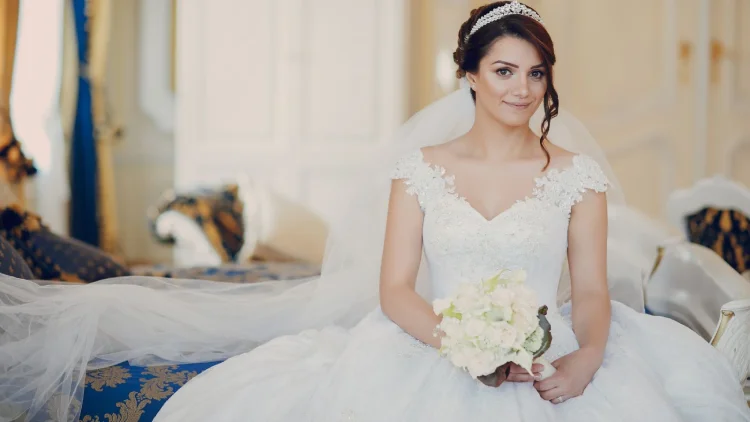
Types of Wedding Dresses
The bridal look you have in mind begins with choosing among the various kinds of wedding dresses. All silhouettes look unique and match any type of body, theme, and personal style. Knowing these styles can aid in eliminating your options and preventing shopping confusion.
Ball Gown Wedding Dresses
The ball gown wedding dresses are characterised by their pompous and royal look. They incorporate a fitted bodice and a full skirt that comes out as a princess-like dress.
These wedding dresses are the best option when a bride desires to have a spectacular entrance to a fairytale wedding. They are suitable in formal locations such as ballrooms and castles. This style is also very flattering to brides whose bodies are pear-shaped because it balances perfectly.
A-Line Wedding-Dresses
One of the most popular wedding-dresses is an A-line because of its universal fit. The dress is slightly bulging around the waist, creating an A shape.
These wedding-dresses can be worn by virtually every body type, and can be worn at either casual or formal weddings. They are safe and classy yet not too dramatic and bring a touch of elegance.
Mermaid Wedding Dresses
The designs of mermaid wedding dresses are fitted along the body up until the knees, after which they swell out. In this style, there is an accentuation of curves, and a bold, glamorous appearance is developed.
These wedding dresses are usually adopted by brides who prefer to bring out their physical appearance. They can, however, restrict movement to some degree; thus, comfort must be taken into account when choosing this style.
Sheath Wedding Dresses
Sheath wedding dresses are narrow, straight in line with the natural body shape. They are very simple, but at the same time, elegant and provide a modern and minimalist effect.
Their wedding dresses are ideal for weddings on beaches, or destination weddings, or wedding-dresses that are not over-the-top for the bride. This style is commonly made up of lightweight fabrics such as chiffon.
Empire Waist Wedding Dress
Wedding dresses worn with an empire waist are of a high waistline just below the bust with a draping skirt.
These wedding-dresses are perfect for petite brides or when a bride wants some ease and freedom to move around. They also make an excellent option in outdoor weddings because of their airiness.
Tea-Length Wedding Dresses
Wedding dresses in tea-length are between the knee and ankle, and are designed with a vintage appearance.
These wedding-dresses are best used in retro-based weddings or brides with unique and gimmicky tastes. They are also more free-flowing and easier to move around than the longer gowns.
Fit-and-Flare Wedding Dresses
Fit-and-flare wedding dresses are a combination of mermaid dresses and A-line dresses. They wrap around the top of the body and are at the thighs.
These bridal gowns offer a sense of both comfort and glitz appeal, and are based on the preference of a contemporary bride.
Favourite Wedding Dress Materials
Wedding dresses are fabricated to play an important role in deciding how the dress will look, feel, and move. The fabrics on the right give it a better look and are comfortable during the day.
Satin
Covered with luxurious and smooth fabric, satin is used on traditional wedding dresses. It is polished with a smooth surface that is very light reflective.
The dresses are ideal wedding wear due to their structured designs, and they display a timeless and elegant look, fitting a formal ceremony.
Lace
Lace is a fine piece of cloth characterised by its patterned design and romance. It is worn frequently as an overlay in a wedding dress.
Bridal gowns made of lace are commonly used by brides seeking an old-fashioned or vintage appearance. This dress is literally stunning, and its texture and detail are created with the help of this fabric.
Tulle
Tulle refers to a net-like material that is lightweight and adds volume and softness. It is usually popular in a ball gown wedding dress.
The dresses are dreamy and ethereal, and can be worn by brides who desire a fairytale look.
Chiffon
Chiffon is a fine, flowing fabric that flows well. It goes best with lightweight and comfortable wedding dresses.
Chiffon wedding-dresses are popular with brides who are thinking of outdoor or summer weddings because they are breathable.
Organza
Organza is a light and breathable material that contributes structure but does not weigh. It is like tulle and is a little more rigid.
These bridal gowns fit the overlayed construction and full-figured skirts.
Crepe
Crepe is a contemporary cloth with a slightly grainy finish. It can be found in simple wedding dresses.
Brides who are sleek and modern tend to use crepe wedding dresses.
Silk
One of those luxury fabrics to use in wedding dresses is silk. It is plush, natural, and of course glamorous.
These wedding gowns are extremely comfortable and elegant, and therefore a high-end product.
Latest Wedding Dress Trends (2026)
Wedding dresses keep changing with changing fashion trends. Contemporary brides are tapping into the styles of experimentation that match their idiosyncrasies but with elegance.
Minimalist Wedding Dresses
The wedding dresses are heavily influenced by minimalism, which concentrates on lines and simple shapes.
- This is because these wedding-dresses bring out elegance without over- embellishment and therefore are suitable in contemporary weddings.
- Strapless Wedding Dresses and Off-Shoulder.
- Strapless and off-shoulder are still trending in wedding dresses due to their allure of romance.
- Such designs highlight the neckline and the shoulders very femininely.
Long Sleeve Wedding Dresses
- Long-sleeve wedding dresses are coming back, and in lace.
- They offer a vintage and sophisticated appearance, which suits winter weddings perfectly.
Colored Wedding Dresses
- A lot of brides are abandoning their white wedding dresses in favour of low-key colours such as blush, champagne, and pastel colours.
- These wedding dresses are personalised and unique.
High Slit Wedding Dresses
- Wedding dresses have some high slits, which create a modern and bold touch to the dress.
- The designs suit the bride who seeks to get a shade of drama along with elegance.
Detachable Skirts & Trains
- The trend is set to such versatility in wedding-dresses. Removable pieces will enable brides to change their appearance with ease.
- They are convenient and glamorous wedding-dresses with two looks.
Premio 2013 Wedding Dresses
- Eco-friendly wedding gowns are becoming a trend with brides becoming more environmentally aware.
- These dresses are produced with ethical fabrics and procedures and have decreased environmental impacts.
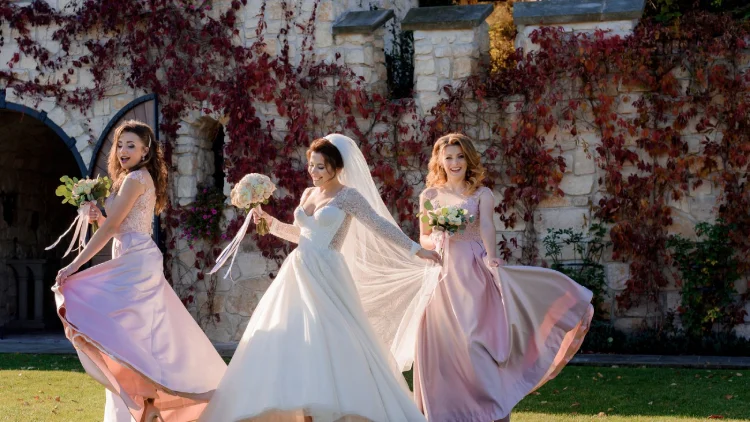
How to Fit the Ideal Wedding Dress
The plethora of wedding gowns can be dizzying to go through, but it is easy to narrow down on the main considerations, making the experience easier and enjoyable.
Understand Your Body Shape
- There are varying wedding dresses that favour different body shapes. Being aware of your shape will allow you to wear a dress that will flatter your natural features.
- To illustrate a point, most of the body types would take on comfortable A-line wedding dresses, whereas mermaids emphasise body curves.
Set a Realistic Budget
- Wedding dresses are available at a huge variety of prices. Early budgeting is a way of saving you money.
- You need to remember about other expenses, such as modifications and accessories.
Match the Wedding Theme
- Your wedding dresses ought to match your wedding venue and theme.
- As an example, one may mention lightweight wedding gowns, which are preferable when it comes to a beach wedding, and heavyweight formal dresses when attending a ballroom.
Focus on Comfort
- Style is not as vital as comfort when it comes to picking wedding dresses.
- Ensure you can sit, walk, and dance comfortably in your dress.
Start Shopping Early
- At least 6-8 months prior to the wedding, start shopping for wedding dresses.
- This gives ample time for fittings, modifications, and customisation.
Trust Your Instincts
- Although other people’s opinions might assist, the conclusion is up to you.
- The most beautiful wedding-dresses are those that make you feel good and confident.
Stuff to Add to Your Wedding Attire
Accessories are an important element of wedding dresses and the full bridal look.
Veil
- A wedding dress is given an extra touch of tradition and elegance by a veil.
- Select a style that best suits your length and the design of the dress.
Jewelry
- The jewellery must boost your wedding gowns, but not dress them up.
- Simple dresses are good with statement jewellery, and detailed gowns require little or no accessories.
Shoes
When wearing a wedding dress, comfortable shoes are necessary because they require the bride to spend significant amounts of time in the dress.
- Wear a dress that fits your dress and location.
Hair Accessories
- Tiaras, hair clips, and even flower crowns are a great addition to wedding-dresses.
- They provide the style and style to your overall appearance.
Belts & Sashes
- Wedding dresses can be fattened up with a belt.
- It provides some sparkle or contrast as well.
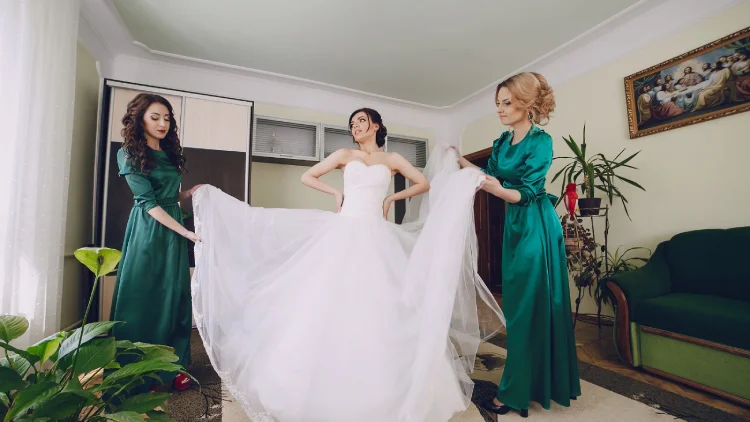
Wedding Dress Shopping Tips
The process of choosing wedding gowns can be quite daunting as long as one gets it right.
Do Your Research
- Browse through various wedding-dresses on the internet and then go to the shops.
- This will save you time and reveal what you like.
Limit Your Entourage
- The number of people brought in may get confusing.
- Choose a few people with whom you can trust.
Be Open-Minded
Find alternative wedding dress styles, including those you did not have in mind the first time.
You may find a style to be more fitting.
Consider Alterations
- The majority of wedding dresses need alteration of some sort.
- Make this part of your budget.
Shop at the Right Time
- Go to bridal stores on working days to have a more relaxed experience.
- This will give you time to savour various dresses.
Take Photos
- The photos will give you a chance to compare various wedding dresses later.
- They also help you have a better view of how a dress appears.
Conclusion
The most significant aspect of a bride are wedding dress. There are so many types of styles, fabrics, and trends that it can be so difficult to find the right dress. But it is an enjoyable, rewarding process with the proper knowledge and preparation.
Knowing all kinds of wedding dresses, learning new fabrics, keeping up with all fashions, and paying attention to professional advice, you can surely find a dress that will reflect your personality and make you look even more beautiful.
Keep in mind that the most perfect wedding-dresses are not necessarily about decor, but rather how you feel in them. As you have located the correct dress, you will know it when you first see it, and it will make the wedding day even more memorable.
Frequently Asked Questions
1. When am I supposed to purchase my wedding dress?
To give time to buy wedding dresses and have them adjusted to fit, you need to begin the wedding dress shopping 6 to 8 months ahead of the wedding.
2. What is the best style of wedding dress that fits everybody?
The most versatile and flattering bridal gowns include A-line wedding gowns that suit practically every body type.
3. Which is the best fabric to use on a summer wedding dress?
Chiffon and tulle are some of the lightweight fabrics that can be used in summer wedding dresses since they are compatible and unrestricted.
4. Is it possible to have my wedding dress tailored?
Yes, the majority of wedding dresses are alterable, can be made to change or added detail and removed, to match your taste.