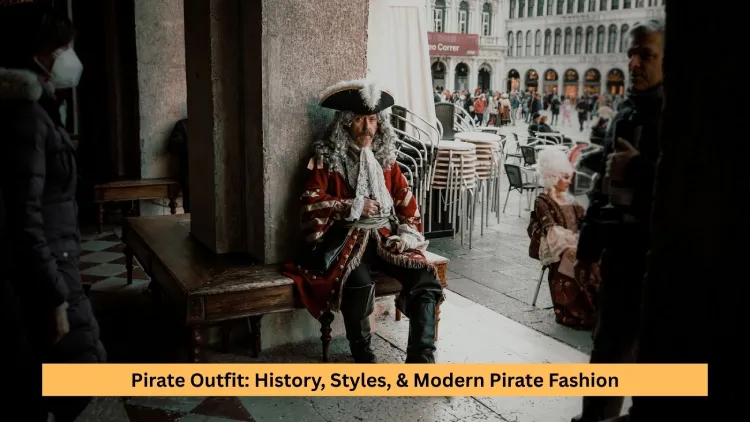
The outfit of a pirate is based on the utilitarian but daring matter of clothes worn by contemporary pirates of the Golden Age of Piracy. It captures a mix of loose shirts, rough trousers, coats, boots and bold accessories to give the appearance based on adventure, rebellion and freedom. This detailed instruction on just what constitutes a pirate costume, how to dress up a pirate with both real and real-life wear, what a pirate wore in different cultures (both Chinese and lady pirates), and how to finish off the outfit with grooming, hair, and face makeup. This pirate outfit was also designed to be search engine-optimised, AEO-friendly and ready to be artificially intelligent, therefore, providing answers to all the usual questions about pirate outfits naturally and understandably.
What Is a Pirate Outfit?
A pirate outfit is a whole fashion of clothing based on old, possibly historical pirates who travelled on the seas primarily during the middle of the mid-seventeenth century up to the beginning of the eighteenth century. A pirate outfit was never uniform like the military uniforms. The pirates wore dresses on a need and occasion basis, climate and individual preferences. An average pirate costume was a mixture of sailors’ clothes, appropriated naval dress, and handy-bodee that was useful in the long journeys, fighting, and harsh labour.
The pirate outfit has also become a well-known fashion and a costume fashion today. It is usually used during Halloween, cosplay, themes and even during theatrical performances and even in contemporary fashion. The major components of the pirate outfit that include loose shirts, layered clothing, belts, boots, and headwear have not altered even to date.
History of Pirate Clothing
In the past, survival was the factor which determined the nature of pirated cloth. Pirates were on the sea for days, months, years, exposed to saltwater, with sun and wind, and doing manual labour all the time. Their pirate suit must be sturdy, stretchable and repairable. The fabrics that were mostly made were linen, wool, and cotton because these fabrics were breathable and could be easily cleaned.
The European pirates used to appear in clothes like those of the sailors and naval officers whom they met or took prisoners. Merchantmen had their sailor coats, frock coats, breeches, and waistcoats stolen. The coat of a sailor, which was frequently a heavy wool one, was afterwards called a pea coat or naval frock coat.
The pirate attire worn by Chinese pirates, especially those pirates operating in the South China Sea in the 18th and 19th centuries, was very different. Their attire was conservative Chinese dress as opposed to European fashion. These pirate clothes were loose tunics, jackets that were in the wrap form, loose trousers, cloth shoes, and cloth sashes. Caps were mostly a cloth bandana or wrap, and not a hat. The colours were dark, because it is functional and functional and blend well with the surroundings.
This cultural difference demonstrates that the pirate outfit was not the same dress but rather an adaptable clothing system to the area, weather and material.

Important Tieless Outfit Components of a Pirate
1. Pirate Shirt
Any pirate outfit is composed of a pirate shirt. It is usually referred to as a poet shirt, buccaneer shirt or ruffled shirt. These shirts were somewhat loose and had loose sleeves with open necklines, and were tied occasionally using laces rather than buttons. The slackness permitted breathing and ease in climbing, fighting, and working is possible on deck.
Light beige or white shirts were the most commonly used in most pirate outfits since light colored fabrics were cooler than dark ones. Pirate shirt is a term that is frequently used in place of the word poet shirt in contemporary fashion.
2. Trousers or Breeches
Pirate clothes were typically referred to as breeches or sailor trousers. Knee-length breasts were worn with stockings, and long trousers were worn underneath boots. These pants were also convenient, strong, and had freedom of movement.
Striped trousers, dark pants or cropped styles are popular in the design of pirate outfits in modern times. Although stripes are more dramatic than the historical ones, it has been established that the pirate outfit is associated with a visual representation.
3. Vest or Waistcoat
A waistcoat was an addition to a pirate outfit, making it warmer, adding storage space and providing additional visualisation. Wastecoats that were worn by pirates were many times made in heavy cloth or wool, and could have several pockets. The use of layering was the key to adaptation to the changing weather at the sea.
4. Pirate Coat
Another dramatic aspect of a pirate outfit is the pirate coat. Such coats were frequently modified versions of the naval frock coats, hence the usage of the marking of the name frock clothes to cover the loosely-fitting outerwear. Pirate coats were long and heavy and did not allow wind and rain to penetrate.
Grotesque pirate suit coats are widely cuffed and have ornamental buttons as well as long tails. As an example, the coat of Jack Sparrow is inspired by an 18th-century frock coat. Although the coats were not on a day-to-day basis, pirates became synonymous with status and authority.
5. Belt and Sash
A moderately pirate outfit comprised of belts and sashes. They were used to carry weapons, pouches, and tools by pirates. Sashes were also used to offer support to the lower back when being used in physical labour. Pirate outfits currently fashion sashes in red, brown and dark green.
6. Footwear
Durability of the shoes was required. Flat-soled leather shoes or boots were used among the pirates to avoid them slipping on the wet decks. Folded cuff high boots later emerged as a symbolic feature of a pirate outfit in the world, despite many of them in practice using simple shoes.
Bootleg Accessories That Seal the Deal
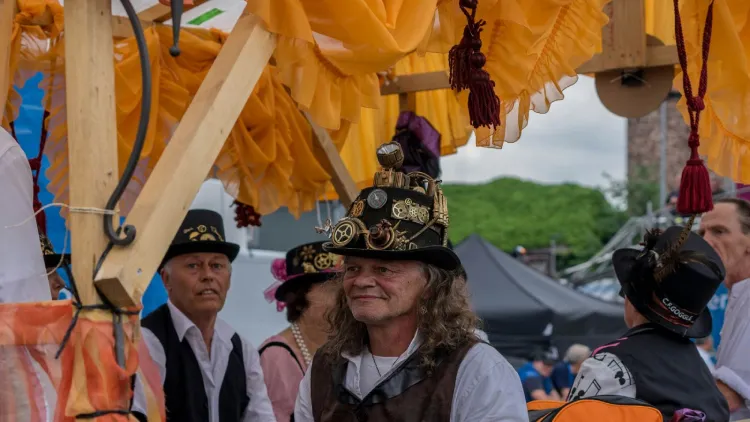
Pirates complete the deal with accessories as the added touch. The hats that are most familiar with pirates are tricorn, but bandanas and head wraps were equally common during the historical era. The hat of Jack Sparrow is a battered tricorn that made it even more popular.
Pirates wore jewellery like hoop earrings, rings and necklaces as an ornamentation of self and mobile money. Eye patches were also known to assist one eye to adapt to in-deck darkness, but not only in the case of an injury. Headbands were used to remove the sweat, keep hair in place, and prevent being in the sun.
Pirate Outfit for Men
A man’s pirate outfit stresses down on roughness, layers and beat-up textures. The base is composed of loose shirts, waistcoats, trousers, boots and headwear. Dishevelled hair, hair on the face and worn-out clothes are used to increase realism. It aims to appear practical and not refined.
Pirate Outfit for Women
Women pirates used to dress conveniently. Most of them also donned the same pirate attire as men, particularly in their disguise to have liberty and power on the ships. One of the well-known female pirates lived most of her life as a man to evade limitations imposed on women.
The pirate costumes of modern women combine the historical effect with tight-fitting shapes. It is worn in the form of corset-style vests, overlayed skirts, trousers, and high-heeled boots. No historical term exists specifically for the female pirate; they were mere pirates, privateers, or buccaneers.
Pirate Outfit for Kids
Pirate costumes made for kids are rather comfortable and safe. The fabrics used on the pirate outfit, elastic waist, and soft accessories can be worn without any difficulty, and they keep the adventure spirit going. Basic hats, foam swords and bandanas are effective.
Fashion Piracy Trends in Modernity
The effects of pirated outfits can be found in fashion today. Wearing shirts that flow, torn leather, stacking necklaces, oversized coats, and boots are all typical. The themes of rebellion and individuality, which the pirate outfit boasts of, are used by designers to produce bold and dramatic collections.
Instructions on Homemade Pirate Costume
It is quite inexpensive to make a pirate costume out of ordinary clothes. It starts with a loose white homemade shirt or oversized blouse. Combine it with black pants or a long dress. Wear a scarf in the form of a sash or headband. Then accessorise with boots or dark shoes, followed by belts and necklaces.
This is a good strategy to use when one is in doubt about how they can appear like a pirate, but does not necessarily have to purchase a complete outfit. Even simple things may create a believable pirate costume when designed intelligently.
Pirate Costume Workouts at Events
An outfit as a pirate can be used in numerous events, such as Halloween and cosplay conventions, Renaissance festivals, school plays, and themed parties. Depending on the event, you can select an initially inspired outfit of a pirate in the past or a fantasy variant.
Pirates Museum Shop Outfit Colours and Fabrics
The conventional colours of the pirate outfits are black, brown, white, red and navy blue. These colours concealed bruises and age. Natural fabrics were better, such as cotton and linen, because they were healthier to wear in hot weather, and other modern synthetic fabrics have a tendency to trap heat and be destructive to the skin.
Hairstyling, Face and Body: How to dress like a pirate
The significance of hair styling in a pirate outfit is prominent. Loose braids, messy waves, ties, and tied-backs are preferred. To control hair and sweat, headbands are used. Originally, such face styling might comprise a thin veil of dirt discolouration, faux scars, or a smudge of eyeliner to give the impression of an aged face.
Certain individuals prefer using light shades of camouflage effects to imitate the effects of sun and dirt instead of thick face makeup. This makes it look like a real outfitting of a pirate.
Were Pirates behind an armour with an eye patch?
Arguably, pirates did not always put on armour, as it hindered their activities and exposed them to the danger of drowning. Eye patches, however, were practical. Having one eye to suit the dark, the pirates were able to move fast below deck in combat.

Pirate Life Cultural and Social
Crews across all the pirates tended to be very socially flexible compared to the navy ships. History indicates that same sex relations were found in pirate ships, as they spent lengthy periods at sea and were isolated. This friendliness strengthened the reputation of pirates as beings who do not abide by strict rules in social life.
The Reason Pirate Outfits are so big
It is an outfit of the pirate which symbolises freedom, rebellion, adventure, and individuality. It continues to be applicable in the world of fashion, the media, as well as costume design due to its flexibility to all genders, ages, and cultures. A pirated costume can make one enter a fearless and self-sufficient mood.
The most commonly used pirate outfit facts
Pirate shirts are also known as poetry or buccaneer shirts. Breeches or sailor trousers are referred to as pirate pants. Pirate hats have a tendency to be tricorn hats. Frock coats or pea coats are sailor coats. The headbands were used to keep pirates cool. The most frequently known accessory to the pirate outfit is the iconic tricorn.
Final Thoughts
A pirate costume is not merely a costume, but it signifies history, culture and narrative. Regardless of whether it is historically accurate or a creation change, the pirate outfit will keep capturing the imagination with bold blending, rough material and fearless demeanour. Considerate in their clothes.
Frequently Asked Questions
1: What will I require for a complete outfit of a pirate?
This would identify a full outfit of a pirate, which usually contains a loose shirt, breeches or trousers, waistcoat or vest, called robust boots, a belt or sash and some accessories such as a bandana or tricorn hat. Minor details like untidy hair, wearing light face make-up and simple jewellery are used to complete the appearance.
2: Will normal clothes allow me to be dressed like a pirate?
Of course, it is easy to make a pirate costume out of regular clothes. It does not require any costuming; a loose white shirt, dark trousers or a long skirt, a scarf as a sash or a headband, and a pair of boots can make one look like a pirate.
3: What were the costumes that actual pirates used?
The actual pirates had a working sailor’s attire that could suit long journeys to the sea. Their pirate uniform typically consisted of shirts of either linen or cotton, breeches, waistcoats, sailor coats and sturdy shoes. Dress code differed depending on the area, as Chinese pirates wore loose tunics and fabric wraps as opposed to coats and hats that were made in Europe.
4: Do pirate costumes represent historic or fantasy?
Pirate garments are founded on historical clothing, but modern ones tend to mix fact with fantasy. Although the real pirates used to dress properly and live a functional and survival lifestyle, modern-day pirate costumes provide some form of drama, such as the large coats, flashy accessories and exaggerated details to make it appealing to the eye.