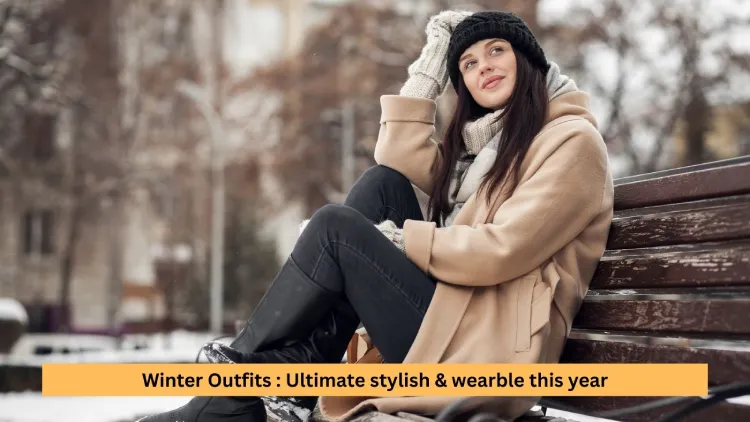
Winter wear is cosy, comfortable and stylish with clever layering, use of good wearable materials and colours of the season. Dressing against the cold season and still looking stylish, you can select the firmly protecting outerwear, layers, shoes, and accessories. The following guide is based on the essential winter dresses of both men and women, colour trends, styles and accessories to guide you in dressing up and always be up to beat the winter season.
Why Winter Outfits Matter?
Winter clothes are an important factor which helps to shield the body and enables an individual to add a personal touch. Extreme temperatures, lack of humidity, and severe wind may have an impact on comfort, health, and movement. The correct winter clothes will maintain body temperature, avoid heat loss, and minimise the chances of cold problems like stiffness and exhaustion.
In addition to functionality, winter outfits impact confidence and look. Cold weather frequently demands more effort in dressing up, as it involves coming in layers, though when it is done right, the end effect is a classicised, versatile appearance. In the workplace and on casual trips, winter wear can help you to be standardised in any kind of place without losing its convenience.
Also, the current winter attire is fashionable and technologically oriented. Warmth is provided by insulated fabrics, breathable and moisture-wicking layers and is done with little bulk. Such a balance renders the winter outfits indispensable in day-to-day life, places of travel, places of work, and social gatherings.

Winter Outfits: Essential Pieces
1. Warm Outerwear
The most obvious and practical aspects when it comes to winter outfits are outerwear. It serves as the major obstacle to cold air and wind, as well as moisture. The decision you make about the outer layer will determine the effectiveness of your winter look.
Wool coats are viewed as the appropriate choice in outerwear because they are popular and have a nice, refined image. Puffer jackets are used in exceptionally cold conditions, parkas are the choice in snow and windy weather, and trench coats are worn in mild winter. Basic colours like black, camel, beige and grey provide invaluable flexibility, and the colours and textures used in bold make winter wear personal.
The additional warmth of a snug coat, combined with the ability to improve form and posture, also makes it a staple of winter fashion.
2. Layering Basics
The secret of winning winter garments lies in layering. It captures the body heat and is still elastic in response to changes in temperature during the day. Effective layering typically incorporates three layers, namely: base, mid and outer layers.
Some of the base layers are thermal tops, heat-retentive clothing materials, and moisture-wicking fabrics that ensure that the skin remains dry. Sweatshirts, cardigans, hoodies and fleece are mid-layers that provide insulation. Lightweight but cosy fabrics will avoid the burden of having the highest level of comfort.
The supporting winter clothes are smartly layered to keep them useful both inside and outside, and also to be able to change them with each change of the weather.
3. Bottom Wear for Winter
Lower garments tend to be neglected, yet they do make a huge difference when it comes to the warmth in general. The winter clothes, carefully selected, consisted of lower garments which were insulated or warmer to shield against the cold surface and the cold air.
Some of the popular ones are fleece-lined jeans, wool trousers, corduroy pants and thermal leggings. Darkness, such as navy, charcoal, and black, is typical of winter clothes, since they keep a person warm and they easily match with layered tops and coats.
The primary factors to be considered during the choice of winter bottoms to be worn as daily wear include comfort, stretch, and breathability.
4. Winter Footwear
Winter outfits are also important in footwear for warmth and safety. The cold weather usually accompanies wet, icy, or slippery weather, and this reflects the necessity of having proper shoes.
Common types of winter footwear include ankle boots, knee-high boots, Chelybrent boots and this winter boots that are insulated against snow. Good grip soles prevent people not to falling, and the insulated lining of the sole keeps feet cool when spending much time outdoors.
Footwear is what adds completion to winter outfits, as it combines both utility and style, which makes footwear an investment that should be at the forefront.
Women’s Winter Outfits
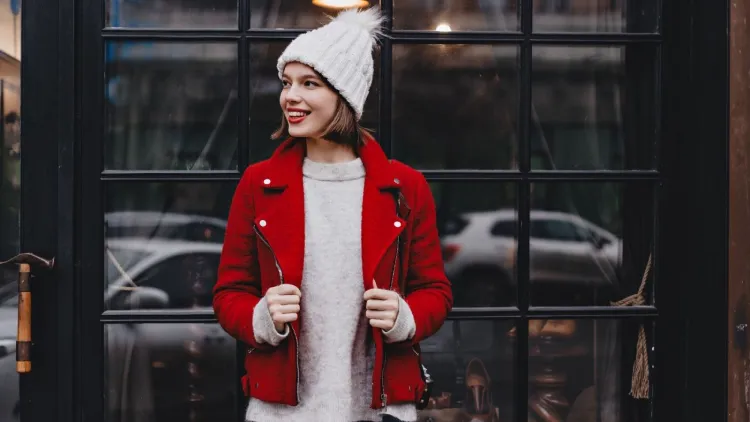
The ability to layer clothing in winter, the amount of texture and shapes make women’s clothing never-ending. Winter fashion, whether casual or elegant, gives space to creativity and, at the same time, brings bliss.
Informal winter clothes can consist of baggy sweaters that are combined with slim jeans and ankle shoes. To have a more polished appearance, long wool jackets that are worn over turtlenecks and loose leg trousers are in balance and sophisticated. Knit dresses combined with tights and high-heeled boots are comfortable and are feminine in cooler weather.
Winter clothes with an influence of athleisure that include puffer jackets with hoodies and leggings are ideal when it comes to running their errands and having a relaxing time. The extras, such as gloves, scarves and a structured bag, will increase the aesthetic appearance and provide some warmth.

Winter Outfit Ideas for Men
The winter clothing of men is oriented to the clean lines, structure and intelligent layering. The traditional parings are sweaters over shirts with collars, which are combined with fitted trousers and wool coats.
On casual wear, they can wear hoodies underneath jackets, which looks very modern and relaxed. Turtlenecks with Blazers can be considered a good smart-casual wear that can be used either at work or during an evening out. The denim jackets worn over the hoodies should be used on moderately cold winter days.
Winter outfits are elegant and convenient due to the presence of footwear like leather boots and accessories like scarves and watches.
Winter outfits colour trends
- The use of colours is significant in winter outfits. Warmth, depth and sophistication can be seen in the palette used in the season.
- Winter dresses are dominated by neutral colours like beige, grey, black and white since these colours can be used in various places. The warm colour palette is complemented by earthy colours such as brown, olive, and rust, and deep ones, including burgundy, forest green and navy.
- Black and white winter clothes are very sought after, and this gives a smooth, integrated effect and makes it easy to match the outfits.
Winter Accessories To Make Winter Complete
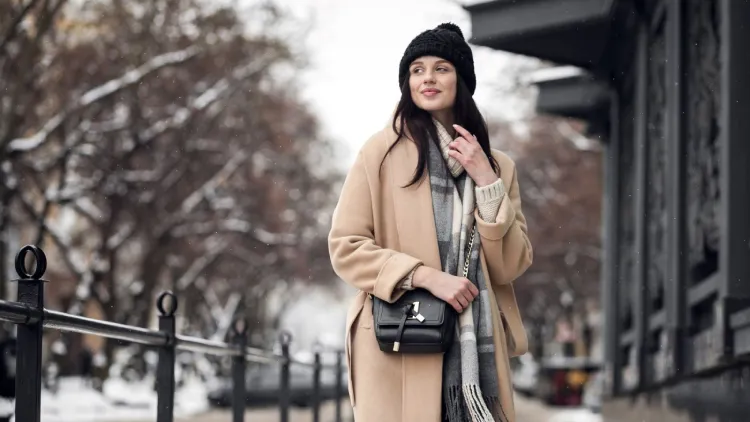
Accessories are heavily needed for the completion of the function and the beauty. Winter clothes cannot be complete without properly chosen accessories which will keep off the cold.
Wool or cashmere used in making scarves also offers insulation and gives them texture. Gloves and mittens help cover the hands against cold air, whereas beanies, berets and hats help to keep the heat in and shape the face. Sunglasses can also be used in winter because of the glare of the sun reflected on the snow.
Correct accessories are expected to enhance winter clothes and also make them customizable without being over-layered.
How to Style Winter Outfits
Balance and planning are essential in styling winter outfits. To be durable and warm, it is a good idea to invest in such fabrics as wool, fleece, and thermal blends.
Layering should also not be done too much, and instead, lightweight but insulating clothes should be used. Balance- Size- It is critical to match oversized tops with high-waisted bottoms. It is easier to create outfits with the help of a constant colour palette because it creates more harmony and makes the outfits easier to create.
One should always take comfort in the first place. The most appropriate winter clothes are pragmatic yet easy to wear in style, making it easy to move throughout the day.

Final Thoughts
The winter outfits are not just outfits of the season, but rather an amalgamation of protection, comfort and self-expression. Through high-quality outerwear, intelligent layers, insulated shoes and considered accessories, winter clothing can be convenient and stylish.
Proper dressing when it comes to winter becomes an opportunity instead of a challenge. Regardless of your dress code of casual dressing, classics or modern dressing, prepared winter dressing will ensure that you remain warm, safe and dress stylishly during the winter season.
Frequently Asked Questions
1. What are winter clothes usually composed of?
The winter clothes typically consist of warm-up clothes, layer tops, insulated bottoms, winter shoes, and winter accessories. These garments complement each other in order to keep warm and comfortable, and give them a cool look in colder seasons.
2. How would I stay warm in my classy winter outfits?
This can be achieved by wearing thermal base garments that are lightweight and covered by the sweaters or fleece, topped with an insulated coat. This is the way to keep winter wear warm and yet not bulky.
3. What are the most popular colours in a winter outfit?
The colours of popular winter outfits are among the neutral, such as black, grey, and beige; and Earthly colours and deep colours such as brown, navy, and burgundy, which are in use during the winter season.
4. What are the uses of accessories during winter?
Winter outfits are also complemented with accessories such as scarves, gloves, and hats that will add warmth, comfort and style besides keeping off cold weather.