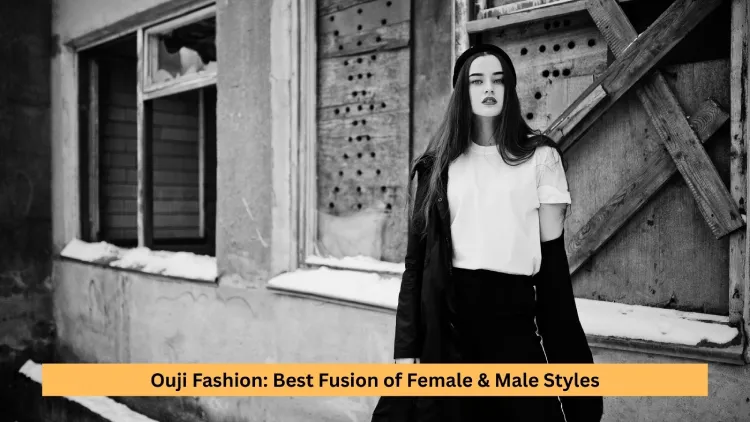
Ouji fashion, also known as Prince or as Boystyle fashion, is an elegant notch of the Lolita fashion that has a masculine feel to it. As a fashion that is influenced by the aristocratic style, Ouji fashion uses custom-made garments, luxurious fabrics, and vintage features in male fashion, but at the same time, the fashion has delicate details in the form of lace, frills, and bows.
Although the idea of Ouji fashion has traditionally been linked to men, Ouji fashion is worn by women, and it has become a flexible and unisex clothing that incorporates both masculinity and femininity into one, in a sophisticated way. The article encompasses all the information about Ouji fashion, its history, development, and current trends and answers the most frequent questions, e.g., whether Ouji may be worn by girls, the distinction between Ouji and Kodona and whether military Lolita is controversial or not and so forth.
What is Ouji Fashion
Ouji fashion, or Boystyle/Prince fashion, is a substyle of the Lolita fashion, which started in Japan in the early 1990s. Although the conventional Lolita fashion is associated with the feminine and doll-like look featuring floral frilly dresses, lace, and bows, the Ouji fashion brings a masculine twist to the fashion. In Japanese, the word Ouji translates to mean prince, which gives the impression of the royal, high-end kind of power that this fashion attracts.
In its essence, Ouji fashion utilises custom-made clothes like waist coats, blazers and trousers and finer types of fabric like velvet, wool and tweed. In contrast to the full skirts that are often used in Lolita, Ouji garments are centred around sharp lines, which are often structured by vintage or historical influence. The style is still graceful, sophisticated, and, on some occasions, even playful.
The trait of Ouji fashion is that it is masculine and at the same time can incorporate delicate feminine qualities like lace, frills and bows, resulting in a balanced and royal appearance which can be either polished or soft.
Can Girls Wear Ouji
Although the Ouji fashion is traditionally viewed as a style that has a more masculine orientation, it is not exclusive to men. Girls are by no means invalid to wear Ouji fashion, and indeed, that is accepted even among women who like their fashion to be androgynous or gender-fluid. Ouji fashion can be used to add some soft and feminine elements to the pieces that still keep the aristocratic and classy nature of the menswear-inspired fashion.
This is a gender-encompassing trait that has enabled Ouji fashion to expand even further beyond what it started and find a wider audience. The custom-made blazers, knitted trousers, and waistcoats have a slimmer shape, both for males and females, and accessories such as lace cuffs, bows, and pocket watches have a slight touch of fine details to ensure that they are not feminised in the wardrobe.
What Does Ouji Fashion Need
Ouji fashion needs a number of essential elements to make the ideal look.
These elements include:
- Bespoke Pieces: Ouji fashion has its main principle in fitted clothes. Search for customised coats, waistcoats, blazers, and trousers which provide the outfit with the structure and royal look.
- Expensive Fabrics: Fabrics such as velvet, tweed, silk and wool are regular in the Ouji fashion. Such materials help to create the aristocratic, elegant style that characterises the style.
- Muted Colours: Ouji fashion differs from the bright and pastel colours of the traditional Lolita fashion, having darker and more muted colours. They are usually navy blue, brown, deep green and charcoal grey and may include a few accents of gold or silver.
- Accessories: The accessories are also important in Ouji fashion. Seek out pocket watches, top hats, cravats, leather gloves, and brooches as well to make the outfit luxurious. The introduction of delicate and feminine details is also done with the help of lace cuffing and ribbons.
- Shoes: Stylish sneakers such as loafers, boots or dress shoes match the high-end appearance of Ouji fashion. These are shoes that can have minor details, such as a buckle or embroidery.
Through these mixes, Ouji fashion will be able to produce a style look that is stylish and to the timeless with a twist.
What is the Fashion Man Version of Lolita
The male Lolita fashion is generally known as Ouji fashion or Kodona fashion. Although both Ouji and Kodona are used interchangeably, there are some minor differences between the two. Ouji fashion tends to be more aristocratic and formal and has some latent influence of historical menswear, whereas Kodona fashion is a little more casual and frivolous. Both fashions are designed to produce a royal, classy look but can be differentiated in regard to fabric selection, accessories and the feel and feel it gives.
What is 42Lolita
The 42Lolita is a style or clothing size that is connected with the Lolita fashion, especially in Japan. The 42 normally refers to the size of clothes that is bigger than the normal sizes which Lalita fashion lovers use. The term is also commonly used to indicate the need to introduce inclusivity in the Lolita subculture since not everyone who wants to wear the Lolita fashion is within the traditional size range and thus can enjoy the style. 42Lolita is a body-positive view on the Lolita fashion and the need to make it more inclusive.
What Does “Ouji” Mean
Ouji (王子) is the Japanese word used to translate to prince. The description is all-inclusive of the nature of the fashion, which is inspired by aristocratic and royal designs. The name shows the influences of regal and noble in the Ouji style that are reflected in the tailored and sophisticated clothes and accessories worn in this style.
What is the Difference between Ouji and Kodana
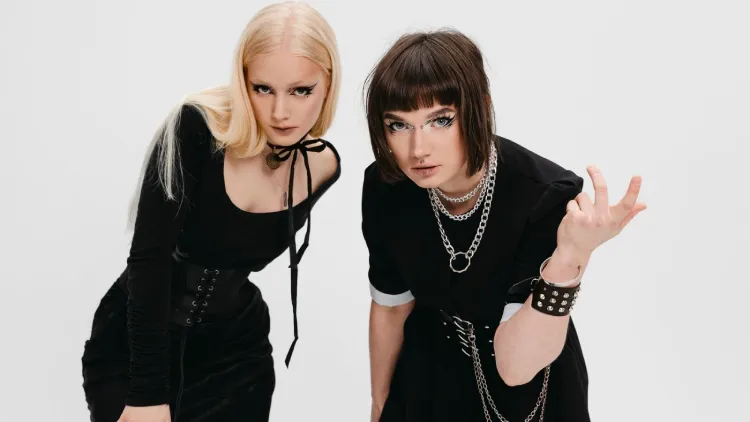
Although both Ouji and Kodana fashion are considered one of the Boystyle fashion or Prince fashion, there are major differences between the two:
- Ouji Fashion: Ouji fashion is more classic and aristocratic, and bases its designs on historical menswear tailored coats, waistcoats, and trousers. The costumes tend to be finer and smoother, and focus on the air of nobility.
- Kodana Fashion: Kodana fashion is less serious and more relaxed. It has similar elements to Ouji but a slightly younger or lighter tone. Kodana apparel can have suspenders or knickerbockers and a few additional fun elements that can make the appearance less professional.
Both fashions are founded on the same idea to mix male and female elements in their clothes; however, the Ouji fashion is more formal, whereas the Kodana fashion is more relaxed and easy-going.
What is Bobo Fashion
Bourgeois Bohemian, or abbreviated as Bobo fashion, is a fashion that blends bohemian and bourgeois styles. It is aimed at a casual and carefree atmosphere, but with the touches of prestige and style. Although these two styles are not directly connected to Ouji fashion, both focus on the special combination of formality and uniqueness. The products of Bobo fashion include flowing clothes, ethnic prints, and artisan accessories, combined with the high-end brands and designer products.
Does 42 Mean L or XL
Japanese fashion has a 42 size that is commonly equated to an L or XL in Western sizes. Nonetheless, the conversion of sizes can be different based on the brand and a particular line of clothing. It is also a good idea to have a look at the size charts of every brand so that to be sure of the proper fit.
Lolita vs Harajuku
Although Lolita and Harajuku fashion have the same origin in Japan, they are different styles. Lolita fashion is characterised by Victorian-style dresses that are doll-esque in nature, and are highly conservative in modesty, frills, lace and bows. Harajuku fashion, on the other hand, is more experimental and eclectic, and may be a mix of gaudy colours, street fashion, and avant-garde styles. The two styles are similar in the sense that they encourage self-expression, but they satisfy various fashion sensibilities.
What is the 3 Outfit Rule
The idea of having a wardrobe that is versatile and essential, with at least three ways of being styled, is the 3 Outfit Rule. The rule promotes minimalist fashion where the number of pieces of high quality and multiple purposes is considered and combined to be used in different events.
What Do Harem Girls Wear
The harem girls, who are mostly inspired by Middle Eastern or North African influences, have loose, flowing clothes like kaftans, tunics and wide-leg pants. These garments are generally of lightweight materials with elaborate embroidery or patterns. Comfort, elegance, and modesty are the characteristics of Harem fashion.
What Does “Boho” Style Mean
Boho style, which is also known as bohemian, is a laissez-faire style, which is inspired by hippie, vintage, and ethnic influences. The boho fashion consists of flow dresses, jewellery that is layered, fringe, natural fabrics that focus on personal expression, creativity and relaxed lifestyle.
What is FOMO Fashion
FOMO fashion (Fear of Missing Out) is a trendy or clothing style that is based on the social need to integrate into the new fashion trends or to remain relevant in social life. It is usually linked to fast fashion, when people buy products due to the fear of being out of fashion.
What is Milkmaid Fashion
Milkmaid fashion is the trend, which is based on the traditional clothes of farm girls. Dresses, puffed sleeves, lace trims, and floral patterns are frequent features of this trend. The fashion has a very nostalgic and rural feel and is largely linked to femininity, simplicity and comfort.
What do the Japanese mean by the 5-Minute Rule?
The Japanese 5-minute rule is a cultural element where one waits a minimum of five minutes past the allowed scheduled meeting or appointment time. It is believed to be courteous to be punctual, but it is okay to take several minutes after the time set to enable any slight delays.
Can Lolita Be Sleeveless
Lolita fashion normally leans towards being modest and loading of covering on most clothes, such as long sleeves. Nevertheless, sleeveless Lolita outfits are increasingly becoming popular, particularly during warmer seasons. To create a sleeveless Lolita appearance, the balance between the piece and other modest pieces must be maintained, i.e., lace gloves or a bolero jacket are important to preserve the feminine style.
What happens to be a Femboy in Japan
Femby is frequently called a femboy in Japan, which is also known as an otokonoko (男の娘), meaning the daughter of a boy or the daughter of a male. The term is applied to a man or boy who dresses or behaves in a feminine way or mannerism, usually to express themselves in a subculture such as cosplay and fashion.
Is Ouji Fashion Only for Men
No, Ouji fashion is not only for males. Although the aesthetics of Ouji fashion were more masculine in the beginning, the fashion has transformed into a gendered one. Females with androgynous or gender-fluid tastes are starting to adopt Ouji fashion that has the ability to integrate masculine tailoring to feminine details.
What is 3 3 3 for Men
The 3-3-3 approach is a men’s fashion rule and is based on putting together three major items: a blazer, jeans, and clothes. Any wardrobe should be based on these three items since they serve as the basis for different outfits. The rule promotes simplicity and minimalism, which is focused on versatility and quality.
What is the 70-30 Rule in Fashion
The 70-30 rule in fashion is a concept behind having 70 per cent of your wardrobe in neutrals like classic and everyday items, and 30 per cent more fashionable or statement. This guarantees your closet to be versatile and timeless, and yet have room to experiment with style.
What are the 5 R’s of Fashion
The 5 R’s of fashion are:
- Reduce: It means minimising waste and consumption through purchasing fewer and more sustainable items.
- Reuse: Use second-hand clothes, reuse or re-purpose used clothing.
- Recycle: Recycle clothes and materials as a way of saving the environment.
- Repair: Repair torn garments, rather than throwing them away.
- Reimagine: Re-working or re-creating some clothes to form something new.
Conclusion
Ouji fashion, commonly abbreviated by the French equivalent Boystyle fashion or Prince fashion, is a more classy and gender-neutral substyle of Lolita fashion that blends aristocratic tailoring with feminine and delicately crafted elements. It is based on historical menswear but gives both the masculine and the feminine a chance to co-exist, thus it is a flexible and high-end style that can be worn by any gender.
The development of Ouji fashion can be seen in terms of its increasing popularity and acceptance within a variety of fashion communities, and it does not depend on traditional gender norms. It can be its royal style or its fusion of masculinity and femininity, but Ouji fashion is an endlessly popular and at the same time integral fashion admired by all.
Frequently Asked Questions
What is Ouji Fashion?
Ouji fashion is another substyle of Lolita fashion which incorporates masculine tailoring with feminine touches, resulting in a style of aristocratic gender-neutral.
Can girls wear Ouji fashion?
Via Ouji fashion is gender-neutral and may be worn by both men and women, providing a combination of masculine and feminine aspects.
What is the difference between Ouji and Kodona fashion?
Ouji fashion is aristocratic and is more formal, while Kodona is less formal and is light-toned and playful.
Is Ouji fashion just for men?
No, Ouji fashion is not a monopoly of men. It is an item that anybody can put on, and it incorporates a combination of masculine and feminine aesthetics.