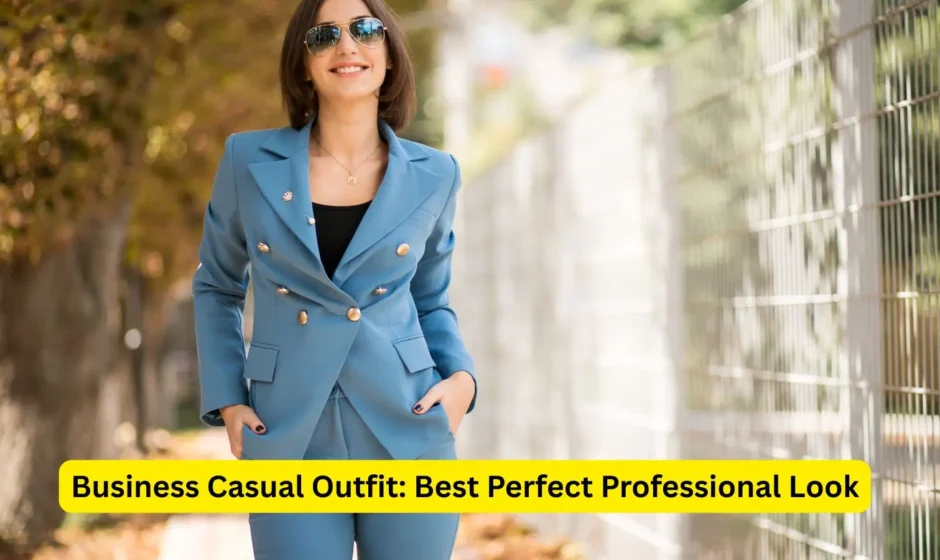
A business casual outfit is the perfect balance between professionalism and comfort, allowing you to look polished without feeling overdressed. It includes tailored pants, neat shirts or blouses, smart footwear, and optional layering pieces like blazers or cardigans. Whether you’re in an office setting, attending meetings, or networking, the key is fit, simplicity, and subtle style. By combining versatile wardrobe pieces, adhering to proven fashion rules, and avoiding common pitfalls, anyone can confidently put together an outfit that is stylish, professional, and appropriate.
What Is a Business Casual Outfit?
A business casual outfit is a style that blends professional attire with comfortable, approachable clothing. Unlike formal business wear, it allows for flexibility while maintaining a polished appearance.
Key Characteristics:
- Clean, well-fitted clothing
- Subtle colours and patterns
- Appropriate footwear and accessories
- Layers like blazers, cardigans, or sweaters for versatility
It’s important to understand that business casual is not the same as casual wear. Items like ripped jeans, hoodies, or overly flashy jewellery fall outside the acceptable range. The goal is to look professional yet approachable, bridging the gap between formal business suits and everyday casual outfits.
Business Casual Outfit Ideas for Men
Tops
- Button-Down Shirts: Solid colours, stripes, or subtle patterns work best. Rolling up sleeves is acceptable in relaxed environments.
- Polo Shirts: Ideal for warmer weather, providing a smart-casual vibe.
- Sweaters & Cardigans: Layer over shirts to add texture and maintain a professional look.
Bottoms
- Chinos or Dress Pants: Neutral colours like navy, grey, and khaki are versatile.
- Dark Jeans: Well-fitted, clean, and without rips can be business casual in many modern offices. Avoid light washes or overly casual styles.
Footwear
- Leather loafers, brogues, or dress shoes
- Clean minimalist sneakers in creative workplaces
Accessories
- Leather belts coordinating with shoes
- Watches for a polished, professional finish
Tips for Men: Follow the 2-finger rule for pants (ensuring pants fit comfortably around the waist) and stick to the 70/30 wardrobe rule: 70% versatile staples and 30% statement pieces. Layering a blazer over your outfit adds instant professionalism without being formal.

Business Casual Outfit Ideas for Women
Tops
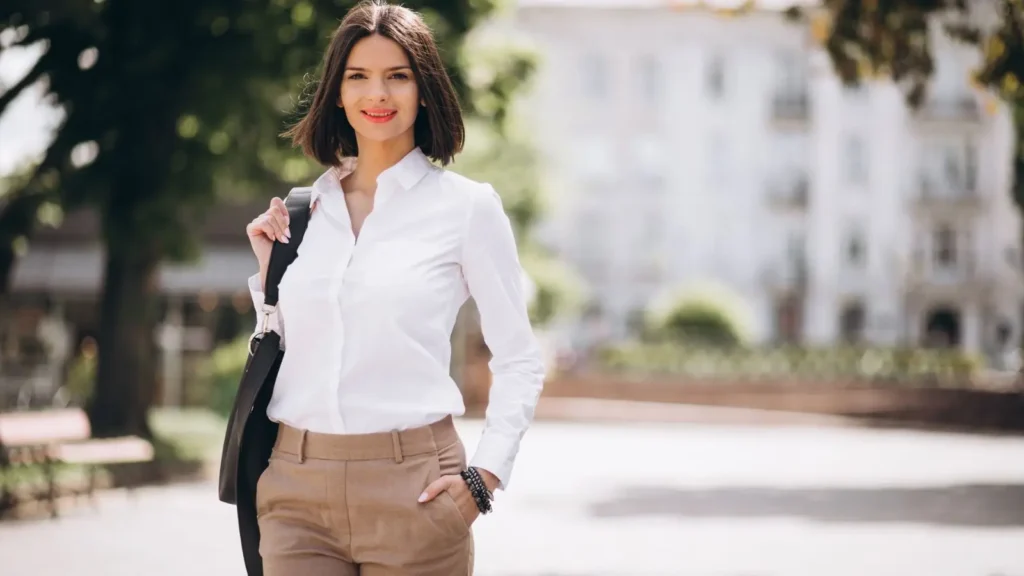
- Tailored blouses, shirts, or tops in neutral shades or pastels
- Lightweight sweaters, knit tops, or turtlenecks
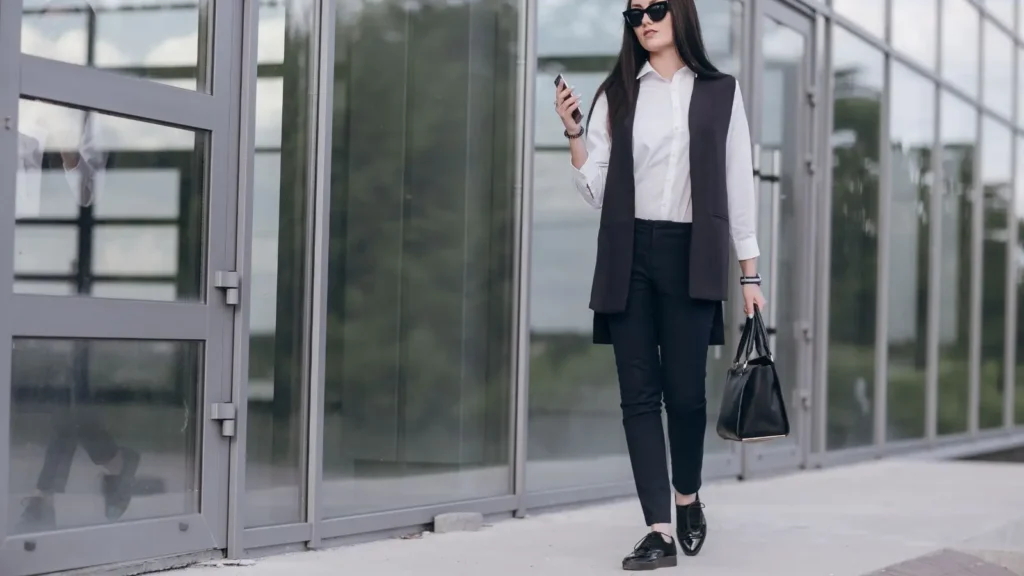
- Blazers or structured jackets for a polished look
Bottoms
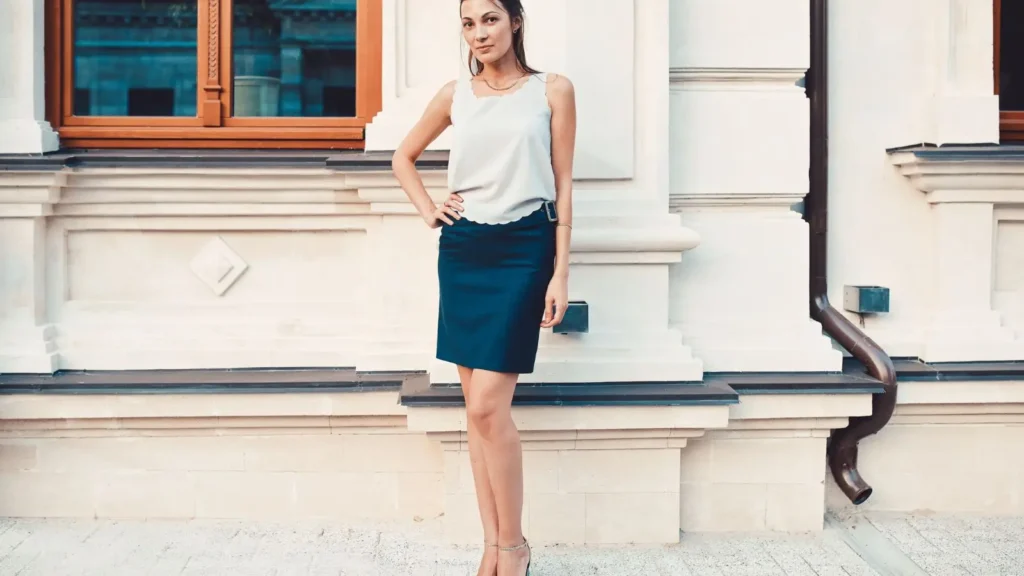
- Tailored pants or pencil skirts
Midi or A-line skirts that hit around knee-length - Dark jeans for offices that allow smart-casual attire
Footwear
- Low-heeled pumps, flats, or ankle boots
- Minimalist sneakers for creative environments
- Neutral shoe colours like black, beige, or navy complement most business casual outfits.
Accessories
- Simple jewellery, such as stud earrings or delicate necklaces
- Structured handbags or leather totes
Tips for Women: Dresses should generally fall near the knee for a professional appearance. Avoid leggings unless paired with a longer blouse or tunic and sneakers in creative workplaces. Turtlenecks can be business casual when layered appropriately with blazers or skirts.
Essential Rules for Business Casual Outfits
Fit and Proportion
- Always choose clothing that fits well—neither too tight nor too loose.
Use the 2-finger rule for pants to ensure proper waist fit. - Skirts and dresses should be knee-length or slightly above for professionalism.
Color Coordination
- Neutral colours dominate the business casual wardrobe: navy, black, grey, white, and beige.
- Pair black pants with shoes in matching or complementary shades. Brown, black, or navy shoes typically work best.
Layering
- Sweaters, cardigans, and blazers enhance versatility.
- Jackets are optional but recommended for meetings or professional settings.
Footwear
- Dress shoes, loafers, low heels, or smart sneakers are acceptable depending on the workplace.
- Avoid flip-flops, overly casual sneakers, or worn-out shoes.
Common Mistakes to Avoid
- Wrinkled, stained, or ill-fitting clothingOver-accessorisingg or flashy jewellery
- Wearing t-shirts as standalone pieces unless styled under blazers
- Ripped jeans, hoodies, or casual shorts
- Overly short skirts or dresses
- Leggings as pants unless paired with a tunic or layered outfit
Seasonal Business Casual Outfit Ideas
Summer
- Breathable fabrics like cotton and linen
- Light-colored chinos, skirts, and dresses
- Open-toe shoes or polished flats
Winter
- Layered sweaters, cardigans, or blazers
- Dark trousers or pencil skirts with tights
- Closed-toe shoes or ankle boots
Seasonal wardrobe planning can follow the 3-3-3 rule: three tops, three bottoms, and three layering pieces per season for mix-and-match flexibility.
Fashion Principles for Business Casual
- 5 R’s of Fashion: Right fit, right fabric, right colour, right occasion, right accessories
- Three F’s of Fashion: Fit, function, and fashion
- 70/30 Wardrobe Rule: Keep 70% essentials and 30% statement pieces
- 5-4-3-2-1 Method: A method to streamline outfits: 5 tops, 4 bottoms, 3 layering pieces, 2 pairs of shoes, 1 statement accessory
Using these principles ensures your business casual outfit looks intentional, versatile, and professional.
Do’s and Don’ts of Business Casual Attire
Do:
- Opt for tailored, well-fitted clothing
- Mix textures and subtle patterns for interest
- Use neutral colours as a base
- Layer with blazers, cardigans, or jackets
- Wear professional shoes appropriate for your outfit
Don’t:
- Wear ripped or distressed clothing Over-accessorize or use overly flashy jewellery
- Wear shorts, flip-flops, or t-shirts as standalone tops
- Neglect proper grooming or shoe condition
Styling Tips and Tricks
- Mix Casual with Professional: Pair chinos with a crisp shirt or a pencil skirt with a simple blouse.
- Smart Casual Crossover: Avoid overly casual items like hoodies, leggings, or sneakers unless the office specifically allows it.
- Skirts and Dresses: A-line, pencil, or midi-length skirts make excellent business casual choices. Pair with flats, low heels, or ankle boots.
- Sweaters: Can be business casual when layered over a shirt or paired with tailored pants.
- Blazers: Optional, but instantly elevate any outfit, making it look more professional.
How to Know If Your Outfit Is Business Casual
- Ask yourself: Is this polished, neat, and office-appropriate?
- Check proportions, colour coordination, and layering.
- Avoid clothing that is too casual, too flashy, or overly revealing.
- If in doubt, layering a blazer or structured jacket generally makes any outfit suitable.
Conclusion
Mastering a business casual outfit requires a mix of professionalism, comfort, and style. Whether for men or women, focus on fit, neutral colours, versatile wardrobe staples, and smart layering. Avoid overly casual items, follow proven fashion rules, and pay attention to footwear and accessories. By applying these principles, anyone can confidently build a wardrobe of business casual outfits that project confidence, professionalism, and style in any modern workplace.
Frequently Asked Questions
1. What exactly is included in a business casual outfit?
A business casual outfit usually includes tailored pants or skirts, neat tops or blouses, smart shoes, and optional layers like sweaters or blazers. It’s polished but not overly formal.
2. Are jeans acceptable for business casual?
Yes—dark, clean, and non-distressed jeans can be business casual in many modern workplaces. Light washes, rips, or oversized fits are not appropriate.
3. Can you wear sneakers with a business casual outfit?
You can wear sneakers only if they are clean, minimal, and neutral—and if your workplace allows it. Athletic or colourful sneakers are not business casual.
4. What should women avoid in business casual attire?
Women should avoid overly short skirts, leggings worn as pants, flashy accessories, flip-flops, and tops that are revealing or too casual for a professional setting.