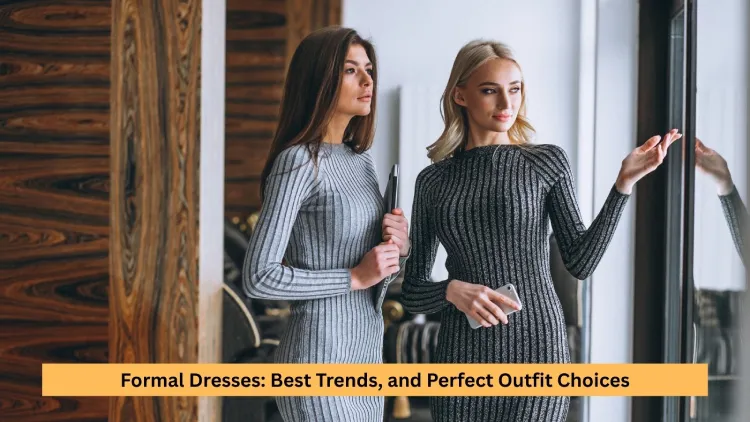
Formal dresses are prestigious and confident, and are used on occasions where one has to look polished and refined. Formal fashion is still developing from traditional gowns to contemporary ones, with timeless class. The selection of the proper formal dress needs to be dependent on the occasion, the dressing code, the figure, and the fashion. This is a guideline that discusses the fashion, makeup, and necessary principles to assist women in dressing correctly for any official event.
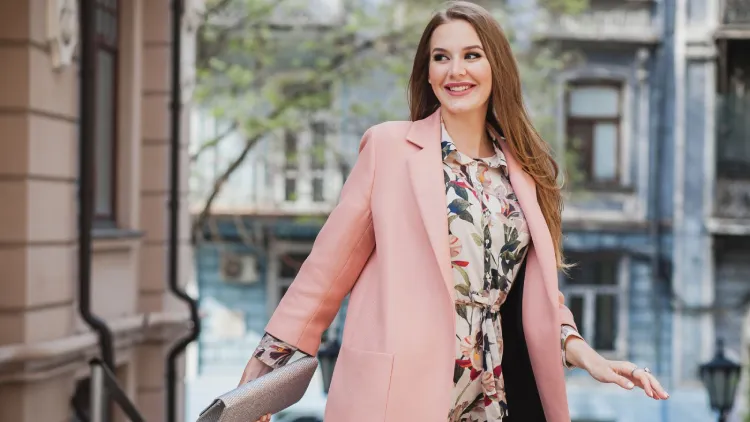
What Are Formal Dresses?
Formal dresses are clothes that are made with the purpose of any kind of events that demand magnificence, structure, and a smooth-cut look. Opposite to informal and daily clothing, formal dresses are in line with social or business demands with respect to their looks and manners.
A business outfit indicates that one is respectful of the occasion and the attending parties. It is not just about fashion but also about suitability. The dresses are usually made with quality fabrics, well-tailored, and design-wise considerate.
The dress code of girls and women is mostly focused on modest and posh dressing, balanced and aligned styling, and accessories matching the dressing. A formal dress can take the form of long gowns, structured midi dresses, fancy suits, or traditional dresses in a modified form regarding the formal style of dressing depending on the culture and setting.
The definition of formal clothes is based more on how it is presented and the context. It does not matter whether the dress is long or short, provided that the fabric, fashioning, and style are befitting the occasion, then it will be considered a formal dress.
Formal clothing can be:
- Evening gowns
- Cocktail dresses
- Tailored dresses
- Classy classic garments.
- Formal designed jumpsuits.
Formal fashion is on a continuum. There are those events that are rigidly enforced to be in black-tie, and those events that are semi-formal.
Types of Formal Dresses
Formal dresses are of a variety of styles, all appropriate for various occasions and body types. Knowing these differences helps women make a sure choice.
1. Evening Gowns
Some of the most well-known formal dresses include evening gowns. They are fully floor-length and crafted out of delicate fabrics, like silk, satin, or velvet.
These gowns are linked with high-profile events, whereby the gown must be elegant. They make a beautiful figure and are usually worn in galas, weddings, and award ceremonies.
2. A-Line Dresses
A-line formal dresses are always quite universal since they do not cause much trouble to the waistline, but stay in a flatter position starting at the waist. This design is proportional and fits practically any kind of body.
They are particularly among the favourite products of women who would be comfortable without the need to lose grace.
3. Mermaid Dresses
The figures of mermaids are hanging around the body before swelling out at their knees in a dramatic, glamorous effect. They tend to wear these formal dresses at night celebrations and events, which are trendy.
4. Ball Gowns
Ball gowns send out a message of classical opulence. They are designed with bodices and full skirts that are very common at proms and major celebrations.
Juvenile popularity of prom fashion has made this trend not outdated; this is considered because of the tendency of contemporary designers to redefine traditional mass using light materials.
5. Cocktail Dresses
The usual cocktail formal dresses are of around knee length and can be used in semi-formal or professional parties. They offer sophistication but not too much formality.
6. Formal Midi Dresses
Midi-length fashions fill the divide between casual and proper clothes. They are perfect corporate dresses when they are made of high-quality fabrics and trendy designs.
7. Cultural Formal Dresses
Even in most areas, traditional clothes are worn as a form of formal clothing. As an illustration, a well-fitting kurti can be used as official clothing in conjunction with a dupatta in the case of having worked fabrics and designed in a way fitting the dress. The element of cultural interpretation contributes greatly to shaping formality.
Popular Materials of Formal dressings
The kind of fabric used makes dresses appear, feel, and move in a particular way or not.
Satin
The reason why satin is one of the most popular evening formal dresses is that it offers shine and smoothness.
Chiffon
Chiffon is lightweight and allows free flow, and is good to wear under other items or on hot weather occasions.
Velvet
Velvet brings out the richness and the depth, and should be used in a winter formal ball.
Lace
The lace details add delicacy and romantic elegance, which is commonly employed in sleeves or the overlays.
Silk
Silk is one of those eternal luxury fabrics that are linked with high-quality formal clothing.
Formal and informal clothes are sometimes differentiated by the quality of the material. Casual wear is more comfortable, whereas formal dresses are more focused on the presentation and sophistication.
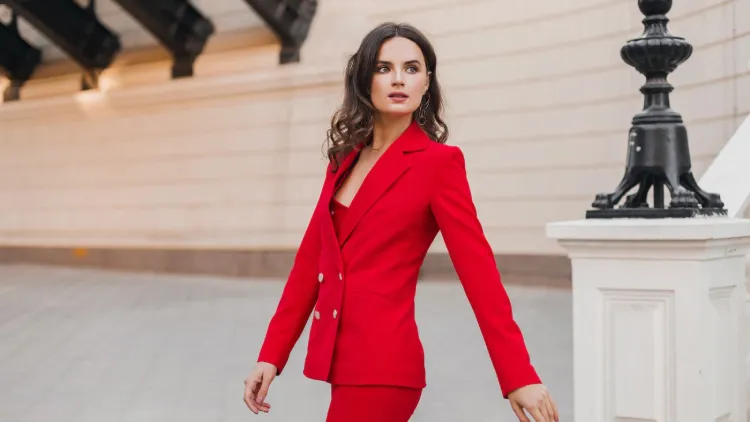
The Guide on Finding the Right Formal Dress
In order to select the appropriate formal dress, there are a number of factors that need to be understood.
1. Take into account the Event Dress Code
There are formal events that are diverse. There are those who need high formality and those who can be interpreted in creative ways.
The formal wear of a lady is normally expected to include:
- Clean silhouettes
- Quality fabrics
- Minimal casual elements
- Balanced accessories
Corporate events tend to require low-profile elegance, whereas celebrations can permit the freer designs.
2. Understand Your Body Shape
Various figures emphasise various figures:
- Fitted formal dresses are an advantage of the hourglass.
- The shape of a pear appeared in a balanced way in the A-line.
- Empire waist designs in Apple are shaped.
- Small girls usually appear taller in fitted suits.
- Belief is conformed but not convinced by fashion.
3. Choose the Right Colour
The colour has a great impact on the perception of the formal dresses.
Popular colours of formal dresses are:
- Black – eternal sophistication.
- Navy — professional elegance
- Burgundy — luxurious depth
- Emerald — modern refinement
- Champagne — soft glamour
- Pastels — daily elegant beauty.
Technically, neutral shades are more professional than too bright colours.
4. Focus on Comfort
Not even the most beautiful formal dresses can be used to their advantage when they are deprived of movement. In order to attain natural posture and exude confidence, comfort holds the key during the event.
Latest Formal Dress Trends (2025–2026)
Dressing styles of formal dresses keep on changing without violating the traditional style.
Prom Dress Trends for 2026
The prom fashion of 2026 focuses on uniqueness coupled with style.
Popular directions include:
- Slim and clean tailored figures.
- Steel textiles and glitter finishes.
- Corset-style bodices
- Soft pastel gowns
- Sustainable materials
Designers are shifting towards a wearable style as opposed to a lot of ornamentation.
Minimalist Elegance
The simple designs in the modern formal dresses with sharp cuts are more likely to be seen, and it proves that sophistication can be very simple.
Statement Sleeves
The dramatic sleeves will be subtle without being too flashy on the outfit.
Sustainable Fashion
Green materials and environmentally friendly manufacturing processes are having a say in the formal fashion trend around the world.
Large cut-outs and perforated lines
The modern formal dresses find their place with traditional elegance and a sure feel of the modern world.
Boys’ Formal Dressing Styling Tips
Formal dresses are styled into outfits.
Accessories
Balance is essential. Excessive accessories minimise refinement. The dress should be complemented by some jewellery.
Footwear
Heels pose better posture and make it more formal. It is always a safe option to use neutral tones.
Makeup
Formal makeup deals with perfection. Most events should be covered with natural glam, whereas evenings are possible to use more solid tones.
Hairstyles
Formal dresses go well with classics of buns, smooth ponytail, or soft waves.
The 3-3-3 Outfit Rule
A good guideline that most stylists push by is the simple balance rule: three major pieces of clothing, three matching accessories, and not more than three predominant colours. This is a way of ensuring that outfits do not appear overboard and retain harmony.
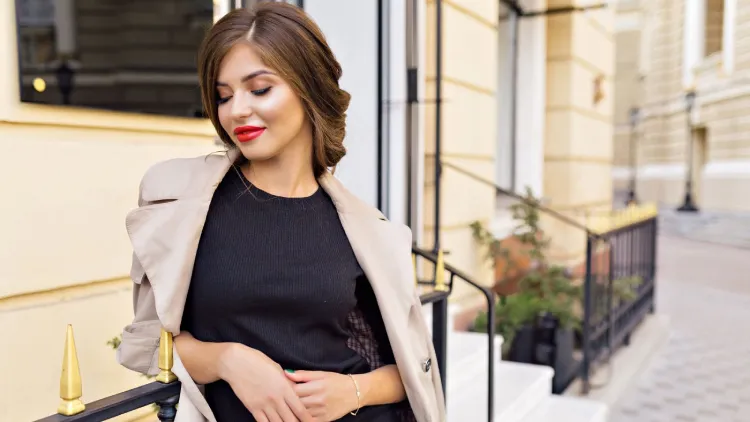
Different Seasons: Formal Dresses
Summer Formal Dresses
The breathable designs and light fabrics would keep a person comfortable without losing the grace.
Winter Formal Dresses
Formal dresses that are long-sleeved and voluptuous give warmth and decadence.
Spring Events
The spring formal fashion is dominated by soft colours and floral inspirations.
Autumn Formal Wear
Vast colours such as maroon and forest green comply with the seasonal theme.
Formal vs Informal Clothing
Formal clothes are those that are governed by social norms, whereas informal ones are clothes that are comfortable and significant to a person.
Casual wear includes informal dresses and includes:
- T-shirts
- Everyday jeans
- Relaxed sundresses
- Sportswear
Having a non-formal quality; it does not mean bad style. It means the clothes that should be worn in a relaxing atmosphere, but not in a ceremonial or business-like one.
The predominant distinction is in the structure, the quality of fabrics, and the suitability for occasions.
Can Jeans Be Formal?
Jeans are supposed to be casual in nature. Nevertheless, plaid denim in a dark and structured version with fitted items can be applied in the context of casual, formal or smart-casual offices. Black or dark indigo jeans are more professional in comparison with distressed or light-coloured jeans.
Notwithstanding, jeans are hardly ever acceptable in traditional formal events.
Formal Standards: An understanding of Formal Standards
Formal attire emphasises:
- Clean lines
- Minimal distressing
- Elegant fabrics
- Intentional styling
Loosely appearing items, such as ripped denim or sportswear, tend to go against the dress code.
Dresses in Cultural and Modern Formal Dresses
Fashion changes with the changing cultural rules. In most areas, simple clothes like kurtis can be treated as a style in case of high-quality fabric and decorated with fashions.
A kurti combined with fitted trousers, heels, and fine jewellery will readily serve as a work-related or official outfit.
Dressing is therefore not entirely formal like Western gowns, but like interpretation based on a culture.
What Women Are Supposed to Wear to Partying
Females visiting formal events tend to wear clothes that are not too fancy but are not too casual.
Common choices include:
- Floor-length gowns
- Formal dresses of midi type.
- Fancy conservative clothes.
- Tailored jumpsuits
Short dresses may be formal, provided that the fabrics and tailoring are used to make them look better. Formality is not determined by its length.
Look Out When purchasing formal dresses
Formal dresses are minimised by myriads of mistakes in styling.
Common mistakes include:
- Ignoring dress codes
- The use of too casual clothing.
- Making bad-fitting or wrong-sized.
- Over-accessorizing
- Putting on uncomfortable shoes.
- Choosing trends that are not appropriate.
These errors may be avoided to ensure the presence of elegance and confidence.
Dressing up for What Not to Wear at a Formal Event
Some types of clothing are not in agreement with the formal attire:
- Ripped or distressed jeans
- Athletic sneakers
- Extremely casual tops
- Too much exposing fashion is not good for the environment.
- Inappropriate noises that will get you from the charm.
The subtle sophistication is lauded by formal events as opposed to the exaggeration.
Reality Style Ideals and Dress Codes
Fashion gurus tend to advise sensible checks in dressing.
The two-finger test, which is occasionally employed in jeans, can be used to make sure that the waistline fits without being too tight to keep its structure clean. A good fit plays a major role in polishing or casualness in clothing.
One additional principle that can prove helpful is considering the suitability of an outfit for a professional photo shoot or ceremony. Otherwise, it probably tends to be informal.
Caring for Formal Dresses
Formal dresses appear new through proper maintenance.
Care practices include:
- Washing such delicate items.
- Using garment bags
- Avoiding humidity exposure
- Light steaming as an alternative to ironing.
- After event dressing maintenance.
Fabric texture and shape are maintained by high-quality care.
The Reason Why Formal Dresses Will Not Destroy
Formal dresses have maintained cultural and emotional values since it is in commemoration of critical life events. Dressing up on purpose is present in weddings, celebrations, graduations, and career milestones.
Even though the fashion does change, class has stayed the same. Silhouettes are recreated by designers; however, the contents of formal fashion, like the sophistication and adherence to the occasion remains the same.
Confidence is also determined by formal dressing. The self-expression, presence, and posture can be enhanced by wearing formal dresses in a well-chosen manner.
Conclusion
The dresses are not a mere fashion statement, but a symbol of sophistication, tradition, and confidence in oneself. The knowledge of different types of dresses, materials, colours, trends, and even the principles of styling will enable women to manoeuvre in any situation with a lot of ease.
Formal dresses are of infinite opportunities as they may be made in the form of classic evening gowns or dressed in a culture-inspired fashion. Dressing in an elegant way befitting the contemporary formal society requires concentrating on the idea of fit, the suitability of the occasion, and the balance in the styling so that anyone can come out as a gilded image.
With fashion constantly emerging as fashionable as ever till 2026 and even later, the formal dresses will always be a symbol of class, and in the evolving world of fashion, the classic house dress will have no end.
Frequently Asked Questions
1. What are formal dresses?
Formal dresses are luxurious garments used in special occasions, business events, or ceremonies that demand a professional, neat look.
2. What cloth do you prefer formal dresses to be made of?
Satin, silk, chiffon, velvet, and lace are popular fabrics as they offer structure, elegance, and a premium appearance.
3. Is it possible to think of short dresses as something formal?
Yes, it is possible to make the short or midi dress in a formal way if the dresses are made of high-quality materials, with excellent tailoring, and proper styling.
4. What is the secret to selecting the right formal dress?
The event dress code, good body shape, comfort, and good colours should be put into consideration to create a balanced and glamorous appearance.