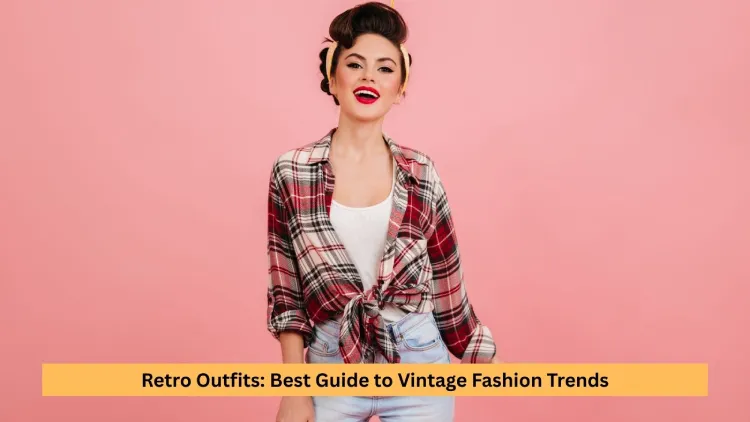
Retro is a contemporary fashion that is a revival of specific clothing styles such as disco of the 70s, power dressing of the 80s, street wear of the 90s and trends of the 2000s. They combine old-fashioned items with new basics, apply the rules of dressing, such as the 3-3-3 rule and smart layering. Such striking colours as mustard, neon pink, denim blues, combined with accessories such as cat-eye sunglasses and platform shoes, make up the image. Retro clothes are popular among Gen Z people, and they are associated with childhood nostalgia, personal style, and confidence.
What Are Retro Outfits?
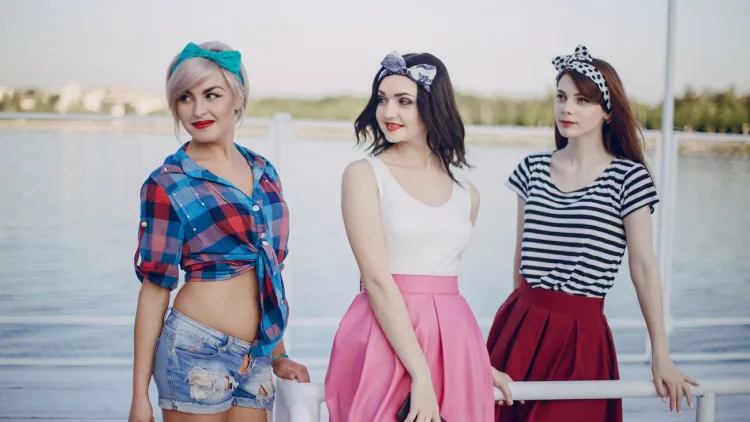
Retro outfits are retro fashion dresses, which mimic the wardrobe of earlier decades, usually between the 1950s and early 2000s. The term retro literally translates back to backward or past; however, in terms of fashion, it has the connotation of innovation of iconic trends in contemporary fashion.
One of such retro styles would be:
- An outfit (inspired by the 70s) with the bell-bottom jeans and platform heels.
- A power suit of the 80s with padded shoulders and huge earrings.
- A 90s grunge appearance, up to the ripped jeans with a flannel shirt.
- A Y2K baby t-shirt and low denim.
Vintage clothing does not belong to a specific decade. They can be the style of the 50s, the psychedelic freedom of the 60s, the disco glamour of the 70s, the high drama of the 80s, the sleek style of the 90s, or even the early 2000s style.
The retro theme is usually associated with the elements of nostalgia, vivid colours, unique silhouettes, and expressive accessories. It is all about celebrating the history of fashion and modernising it according to the ways of living now.
Popular Retro Fashion Eras
Retro clothes are based on the inspiration of several decades. The question of whether retro is 70s or 80s arises in the minds of many individuals; however, the answer to this question is in the affirmative, as retro outfits can be 70s, 80s and more.
1950s Retro Style
The 1950s were concerned with femininity and form. Imagine conscientious waistlines, full skirts and smooth-looking bodies.
Popular elements:
- Swing dresses
- Pencil skirts
- Polka dots
- Cat-eye sunglasses
- Structured handbags
The retro theme of the 1950s emphasises grace and elegance.
1960s Retro Style
The 60s were irreverent and trying. The era was characterised by bold print and style mod.
Key features:
- Mini skirts
- Shift dresses
- Go-go boots
- Geometric patterns
- Bright contrasting colours
Vintage style clothing and accessories inspired by the 60s can be artistic and juvenile.
1970s Retro Style
Most individuals who consider retro clothes imagine the 70s. It was a period when Bohemia mingled with disco style.
Signature pieces:
- Bell-bottom jeans
- Fringe jackets
- Suede boots
- Psychedelic prints
- Platform shoes
The colours of mustard yellow, burnt orange, and earthy browns were the styles of retro design in this decade.
1980s Retro Fashion
The 80s were full of confidence and power dressing. Being a 1980s lady could be equated to huge dresses, bright colours, and hair.
Key elements:
- Shoulder pads
- Neon pink, electric blue and lime green.
- High-waisted jeans
- Leggings (they were very popular- yes).
- Oversized blazers
Hair during the 80s was big and was frequently teased or permed. The style was characterised by scrunchies, headbands, and large curls. The footwear fashionable in the 80s was the high-topped sneakers, pumps, the jelly shoes and ankle boots.
Vintage garments resembling the 80s are brash and assertive.
1990s Retro Street Style
The 90s have been among the most remarkable decades of the retro outfits. The style was aimed at comfort and minimalism.
Core elements:
- Baggy jeans
- Crop tops
- Flannel shirts
- Combat boots
- Denim jackets
Dressing 90s retro entails the adoption of relaxed shapes and low-key colours that are usually grungy or sporty. To a retro 90s party, you can dress in torn jeans, a graphic shirt, heavy sneakers, and tiny, round-shaped sunglasses.
Y2K and Early 2000s
Y2K has been taken as a retro form of style nowadays. It reflects early 2000s fashion.
Common Y2K features:
- Low-rise jeans
- Baby tees
- Butterfly clips
- Metallic fabrics
- Rhinestone accessories
Though it was then at its time futuristic, current Y2K usages are part of the retro outfits since, in fact, the fashion cycles repeat around the same time every 20-year period.
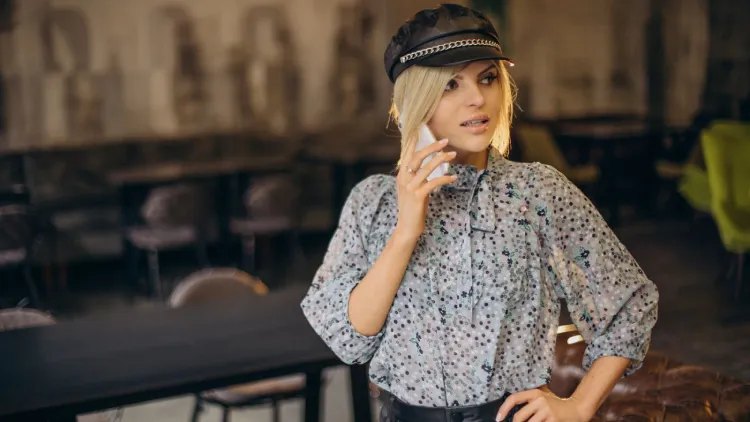
Retro Outfits for Women
The retro outfits of women differ based on the decade you are throwing it back to.
Casual Retro
White sneakers, high-waisted jeans, and tees can be tucked to provide the non-challant looks of the retro outfits that can fit every day.
80s Glam
To dress like a 1980s woman:
- Put on an oversized blazer of a bright colour.
- Add statement earrings
- Select high-waisted jeans or leggings.
- Finish with bold eye makeup
The look is completed with big hair and the layered necklaces.
90s Party Look
For a 90s retro party:
- Choose baggy jeans
- Add a crop top or baby tee
- Wear chunky sneakers
- Include small sunglasses
Retro clothes are versatile, but you should be able to blend in with the decades and not be out of scale.
Retro Outfits for Men
Retro outfits of men are also communicative.
70s Look
Flared pants, printed button-down shirts, and loafers.
80s Street Style
Sneakers with high tops, acid-wash denim, and graphic sweatshirts.
90s Minimal
Denim jackets of all sizes, solid white shirts, loose pants.
Men’s retro clothing tends to focus on loosely tailored outerwear.
How to Wear the retro clothes in the Present Day
To wear retro clothes without appearing costumes one has to balance it.
The 3-3-3 Rule
Choose:
- 3 tops
- 3 bottoms
- 3 pairs of shoes
Combine them to invent several retro wardrobes without getting locked up in such simpler ways.
The 5 Outfit Rule
You need to be able to wear a new item with at least five outfits that you already have before purchasing one. This makes retro outfits useful and functional.
The 30 Wear Rule
In case you cannot envision wearing it at least 30 times, rethink. Retro clothes are not to be bought because they are trendy for the moment.
The 7 Rules of Outfits
- Balance proportions
- Mix textures
- Limit statement pieces
- Coordinate colors
- Avoid over-layering
- Considerably, match accessories.
- Dress for confidence
Common Layering Mistakes
The way retro outfits are usually based on some layering: any miscalculation may spoil the appearance.
Common errors:
- Too many oversized pieces
- Clashing patterns
- Ignoring proportions
- Heavy clothes during hot climate.
- Over-accessorizing
Overlapping will go best with fitted and loose garments.
And Reason Retro Outfits are Trending Once More
The appreciation of retro clothes by Gen Z is based on the idea of individuality and sustainability. A significant number of youths revere thrift and unique as opposed to massive scale fast fashion.
Expressive digital language is also used by Gen Z. As an example, crying emoji cheese means laughter or excessive emotion and not sadness. Fashion has the same effect of expressive redefinition.
Retro outfits are also affected by social changes. The agendas surrounding relationships, inclusivity, and identity influence the type of clothes worn. Gen Z has a bigger population more willing to speak on the labels of the LGBTQ+ status, and is more open and fluid, especially in expressing personal identity. The visual freedom of experimenting is offered through retro outfits.
The 7 R’s and 5 R’s of Fashion
The retro clothes are in line with the principles of sustainability.
5 R’s:
- Reduce
- Reuse
- Recycle
- Repair
- Repurpose
7 R’s:
- Rethink
- Refuse
- Reduce
- Reuse
- Repair
- Regift
- Recycle
Purchasing retro garments at thrift shops helps these ideals.
The 8 Style Types
Vintage clothes may suit various personalities in terms of style:
- Classic
- Romantic
- Dramatic
- Natural
- Creative
- Elegant
- Sporty
- Trend-driven
Knowing your type of style will help you select the appropriate outfits.
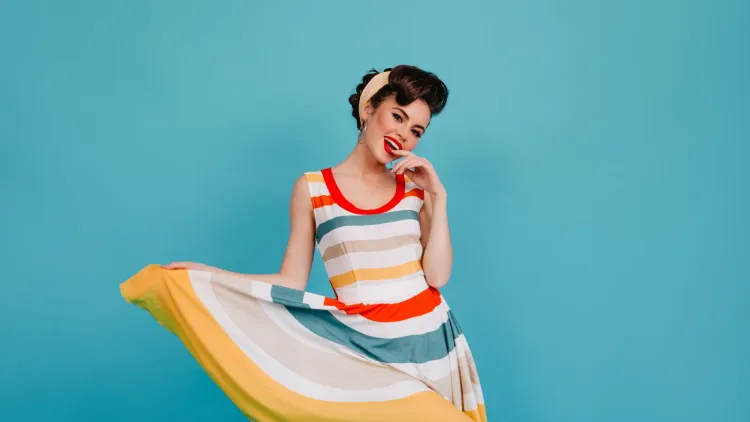
Which Colours are trendy in Retro Design
Retro outfits often include:
- Mustard yellow
- Burnt orange
- Olive green
- Teal
- Neon pink
- Electric blue
- Cherry red
- Denim blue
Colour blocking was particularly popular in 80s retro outfits.
What trappings characterise a Vintage Dress
Retro outfits are completed by accessories.
Essential items include:
- Cat-eye sunglasses
- Chunky belts
- Scrunchies
- Platform shoes
- Bandanas
- Layered gold chains
- Mini shoulder bags
- Round sunglasses
The accessories are likely to make an outfit feel retro.
How to Do a Retro Look in Photography
To make a photo look retro:
- Use warm filters
- Add film grain
- Slightly fade colors
- Use soft lighting
- Add vintage props
Retro clothes have an ideal retro look when they are photographed with a retro edit.
Vintage Brands and New Culture
Fashion is related to trends in lifestyle. Through relationship rules like structured dating schedules or 7-7-7 relationship rules, some concept of relationships outlines the generational discourse on commitment. The outfits found in retro also represent a mannered but really expressive approach to identity.
Even such slang words of partners change generationally and mirror cultural change. Social norms, Fashion and language are intertwined.
Final Thoughts
The retro outfits are not just revived, but also made. They are historical wearables with contemporary character. Retro outfits can be as creativity-unrestrictive as they choose to be, whether taking the 70s boho style, power-fashion of the 80s, streetwear of the 90s, or the style of the year 2000.
The retro outfits that can be created using the wardrobe principles, such as the 3-3-3, the 5-outfit rule, and the 30-wear rule, will appear fashionable and sustainable over a long period.
Fashion comes and goes; however, confidence is unending. Vintage attires demonstrate that the past keeps on influencing the fashion of tomorrow.
Frequently Asked Questions
What are retro outfits?
Retro clothes are vintage-inspired garments recreating the styles of the 1950s and early 2000s and putting their spin on them.
Which are the decades are in use when it comes to retro fashion?
Such retro periods as the 50s, 60s, 70s, 80s, 90s and early 2000s (Y2K) are popular.
Wearing retro clothes today, how should I wear them?
Apply such rules as 3-3- 3, the 5-outfit rule, and layering and balancing colours, textures, and accessories.
What is so popular with retro outfits?
They bring about nostalgia, self-expression and sustainability, which they find particularly attractive to Gen Z fashion fans.